Cart
0
You may also like






Candle making has quietly turned into one of India's most popular hobbies and home businesses over the last few years. From Diwali diyas to Christmas décor, weddings, and personalized gifting, handmade candles are everywhere—and a big part of this boom comes from DIY candle-making videos going viral across social media.
But the moment you actually sit down to make a candle, one question trips up almost everyone: "Which wax should I use?" This guide walks you through every major type of candle wax, where it's best used, some real-world examples, and a practical FAQ section to clear up your doubts—so you can confidently pick the right wax for your next candle project.
Soy wax is made from soybean oil and is one of the most popular natural waxes for container candles. It burns clean, produces very little soot, and holds fragrance oils exceptionally well. It's often recommended for beginners because its working temperature is easy to manage.
Best for: Jar candles, container candles, and scented candles.
Paraffin wax is petroleum-derived and has been a candle-industry staple for decades. Its melting point is flexible, which makes it ideal for pillar candles, votives, and molded/taper candles. It also gives a strong scent throw, so it's a favorite for scented candles too.
Best for: Pillar candles, votive candles, and molded candles.
Beeswax is a natural wax known for its honey-like aroma and warm golden color. White beeswax is the refined version (used for purity and a cleaner look), while yellow beeswax is closer to its raw, natural form. It's one of the slowest-burning waxes, meaning candles made from it last noticeably longer.
Best for: Premium candles, cosmetic products, lip balms, and natural skincare.
Gel wax is transparent, made from a mineral oil and resin blend, and is perfect for embedding decorative items like shells, dried flowers, or glitter because of its crystal-clear finish.
Best for: Decorative glass candles, embedded candles, and gift hampers.
Carnauba wax is extracted from palm leaves and has the highest melting point among common candle waxes. It's usually blended with other waxes as a hardener to boost strength and shine. It's also widely used in cosmetics and polish formulations.
Best for: Wax hardener, cosmetics, and high-gloss finishing.
Coconut wax is a newer, eco-friendly option made from coconut oil. It burns very cleanly and delivers an excellent fragrance throw, which is why premium and luxury candle brands increasingly prefer it.
Best for: Luxury jar candles, eco-friendly candle lines.
This is a flexible, slightly sticky-textured wax used less for standalone candles and more for cosmetics, adhesives, and improving the quality of other waxes. It adds flexibility and smoothness to blends.
Best for: Cosmetic formulations, wax blending, and sealing.
This is typically a pre-blended, ready-to-use wax designed for ease of handling. It offers good burning quality without the need to manually mix different wax types—a solid choice for beginners and bulk production.
Best for: Beginners, bulk/commercial candle production.
Keep these factors in mind when selecting your wax:
Type of candle—soy or coconut wax for jar candles, paraffin for pillars, and gel for decorative pieces.
Melting point—consider your climate and how the candle will be used.
Fragrance throw—soy and coconut wax generally hold scent better for strongly scented candles.
Budget—paraffin and blended white candle wax are usually the most affordable, while beeswax and coconut wax sit in a slightly premium range.
Natural vs. synthetic preference — for eco-friendly or "clean" product lines, soy, beeswax, or coconut wax are the go-to choices.
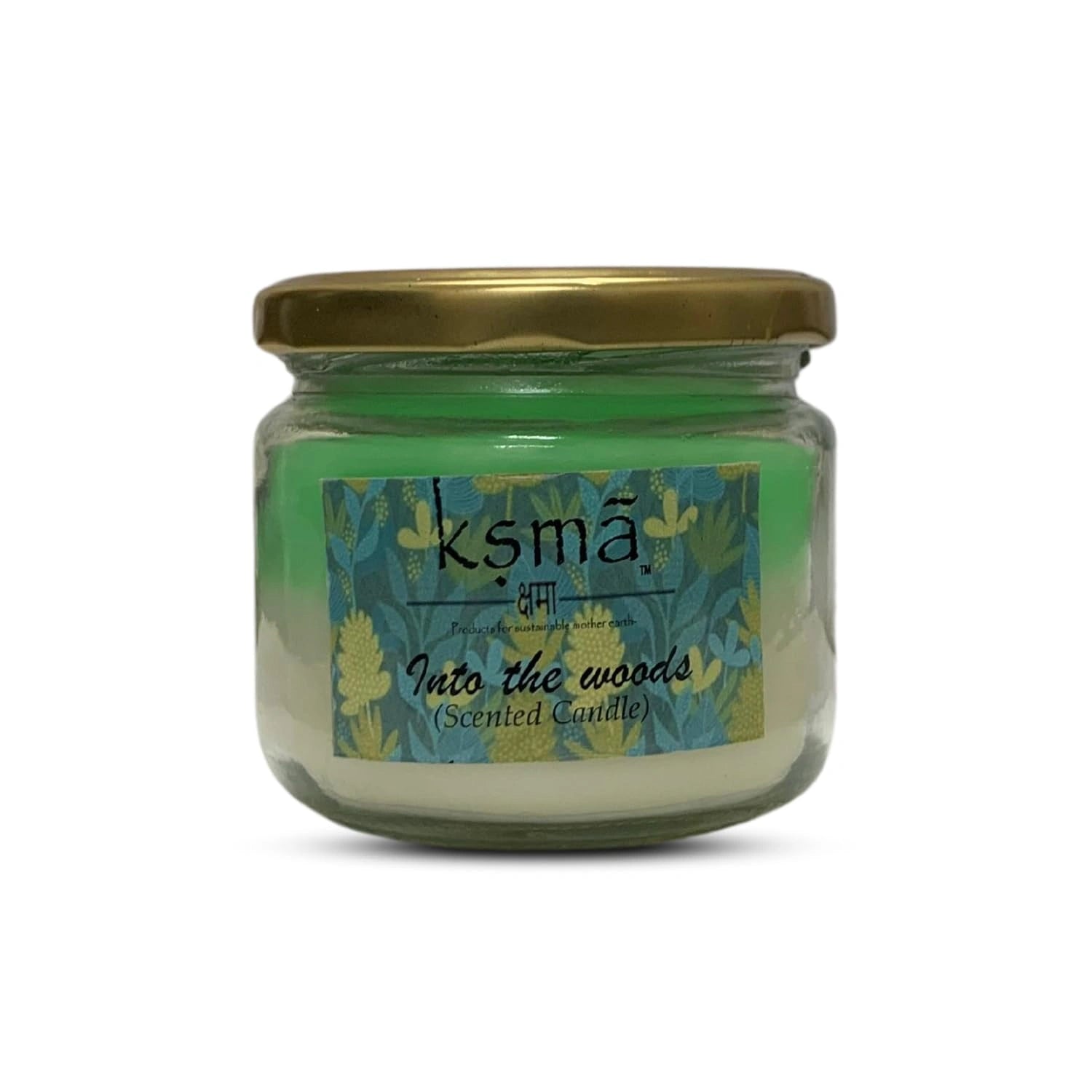
Example 1—Home Décor Jar Candles: A home-based candle brand selling on Instagram usually opts for soy or coconut wax because of the clean jar finish and strong fragrance throw—both of which photograph and film well for unboxing reels.
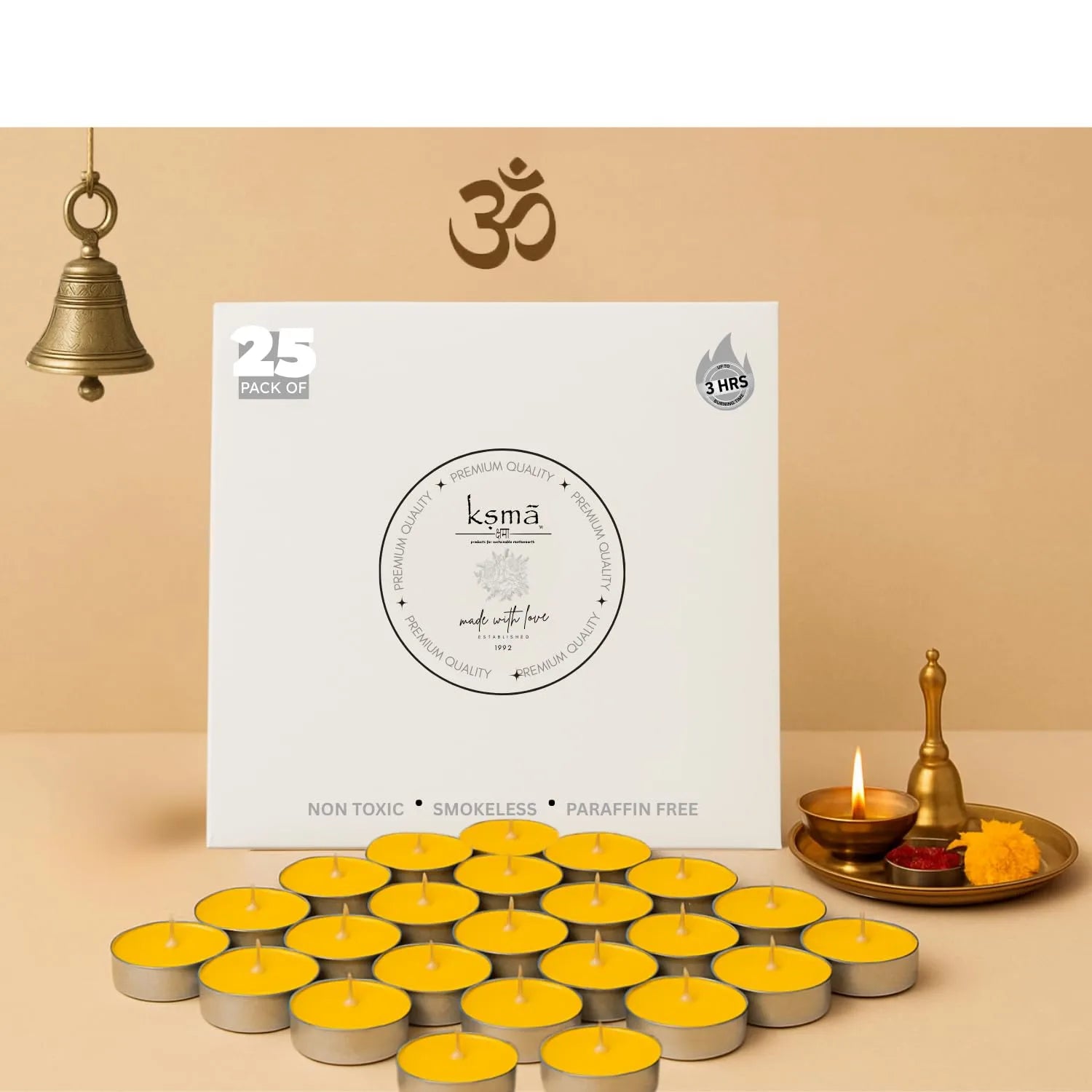
Example 2 — Diwali Diya-Style Candles: Festive-season tealights and diya-style candles made in bulk mostly use paraffin wax or blended white candle wax, since they're cost-effective and easy to scale for mass production.
Example 3—Decorative Gift Candles: When candles need embedded flowers, shells, or glitter—like wedding return gifts—gel wax is the go-to material because its transparent finish highlights the decoration inside.
Example 4 — Premium Cosmetic Balms: Skincare brands making natural lip balms or salves often use a combination of beeswax and microcrystalline wax for stability and a smooth texture.
Soy wax or blended white candle wax is the easiest to start with, since their melting points are forgiving and manageable even if your temperature control isn't perfect.
Yes, many candle makers blend waxes—like paraffin with carnauba or soy with coconut wax—to improve burning quality, hardness, and fragrance throw.
Gel wax is made from mineral oil and resin and is transparent, whereas regular waxes like soy, paraffin, and beeswax are opaque. Gel wax is specifically used for decorative and embedded candles.
Beeswax generally burns the slowest and cleanest, which means candles made with it typically last longer than those made from paraffin or soy wax.
Yes, as long as you buy from a trusted supplier offering quality-tested, food-grade, or cosmetic-grade wax with clear product details and purity information.
Paraffin wax or blended white candle wax are the most practical choices for bulk production, since they're cost-effective and deliver consistent results at scale.
Choosing the right candle wax directly shapes your candle's quality, burn time, and overall finish. Whether you're a beginner making your first DIY jar candle or an established brand running bulk production, every wax type has its own specific role to play.
Soy wax is clean and beginner-friendly, paraffin is versatile and affordable, beeswax is premium and natural, gel wax is perfect for decorative pieces, and carnauba or microcrystalline wax is best suited for blending and cosmetic applications.
If you're looking to buy quality-tested candle wax—beeswax, paraffin, gel, or carnauba—online in India, choosing the right raw material is the foundation of every beautiful, long-lasting candle.
Connect with us: https://www.ksma.in/




Fill the form and get latest updates & offers.