Cart
0
You may also like






Cold process soap making is one of the most rewarding DIY projects you can take up at home. The process uses simple ingredients, no heat after mixing, and produces a genuine bar soap that is far superior to most commercial soaps in terms of skin feel and ingredient quality.
This guide gives you a beginner-friendly cold process soap recipe using coconut oil as the primary base — one of the most widely available and effective soap-making oils in India.
Cold process soap making combines oils and lye (sodium hydroxide) at room temperature — without additional heat after mixing. The chemical reaction called saponification turns oils into soap. The soap needs 4 to 6 weeks to fully cure before use — but produces a long-lasting, skin-nourishing bar with excellent lather.
Lye (sodium hydroxide) is caustic and can cause burns. Always wear gloves, goggles, and long sleeves. Add lye to water — never water to lye. Work in a well-ventilated area. Keep children and pets away. Use stainless steel or heat-resistant plastic — never aluminium.
This recipe makes approximately 8 to 10 bars of soap.
Oils:
400g Coconut Oil (primary cleansing and lathering oil)
150g Castor Oil (adds rich, creamy lather and moisturising properties)
100g Almond Oil (adds conditioning and skin-softening properties)
Lye Solution:
90g Sodium Hydroxide (lye)
220g Distilled Water
Optional Additions:
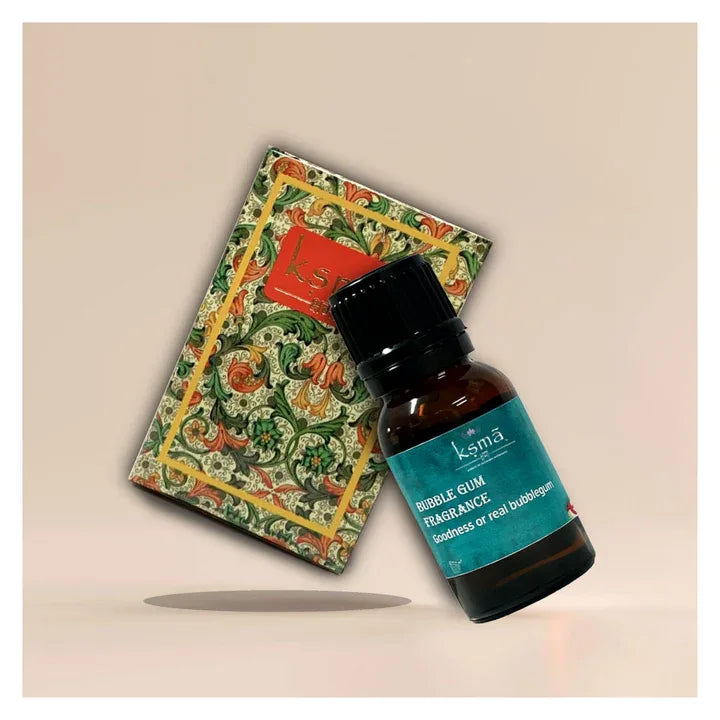
20 to 30g Fragrance of your choice
1 teaspoon Candle Pigment or skin-safe colourant
Buy Coconut Oil at KSMA, Castor Oil at KSMA, and Almond Oil at KSMA.
Digital kitchen scale, two heat-resistant jugs or bowls, stick blender, soap mould (silicone loaf or lined wooden box), thermometer, rubber spatula, safety gloves and goggles.
Wearing gloves and goggles, carefully measure 90g of sodium hydroxide. Measure 220g of distilled water in a separate heat-resistant container. Slowly pour the lye into the water — never the other way around. Stir until fully dissolved. The solution will heat up rapidly to around 80 to 90 degrees Celsius. Set aside to cool to 40 to 45 degrees Celsius.
Melt coconut oil gently and combine with castor oil and almond oil. Allow the oil blend to cool to approximately 40 to 45 degrees Celsius — around the same temperature as your lye solution.
Slowly pour the lye solution into the oil blend while stirring. Use a stick blender to mix — alternating between blending and hand stirring — until the mixture reaches trace. Trace is when the soap batter thickens to a light pudding-like consistency, where drizzled soap leaves a trace on the surface.
Once the trace is reached, add your fragrance and stir well. Add pigment if desired and mix thoroughly.
Pour the soap batter into your prepared mould. Smooth the top with a spatula. Cover with a piece of cardboard or a thin towel to insulate and encourage saponification.
After 24 to 48 hours, check if the soap has hardened enough to unmould. If it is still soft, leave for another 24 hours. Once firm, remove from the mould and cut into bars.
Place the cut bars on a rack in a cool, dry, well-ventilated area. Allow to cure for 4 to 6 weeks before use. During curing, excess water evaporates, and the soap becomes milder and longer-lasting.
Coconut oil produces an excellent hard bar with rich, bubbly lather — even in hard water. It is widely available across India at KSMA. This recipe balances coconut oil's cleansing power with castor oil and almond oil for conditioning properties.
Q: Is cold-process soap safe for sensitive skin?
Yes, once fully cured for 4 to 6 weeks, cold process soap is one of the gentlest soap types available. The lye is completely consumed during saponification — no lye remains in the finished soap.
Q: Can I substitute coconut oil with another oil?
Yes — olive oil, palm oil, or a blend of carrier oils can be used. However, changing oils changes the lye calculation. Always use a soap calculator like SoapCalc to recalculate lye amounts for any recipe change.
Q: Where can I buy soap-making ingredients in India?
KSMA offers coconut oil, castor oil, almond oil, and fragrances online at ksma.in/collections/oils and ksma.in/collections/fragrance with free shipping above Rs. 999.
Cold process soap making takes patience — the 4 to 6 week cure time is essential — but the result is a genuine, skin-nourishing bar that commercial soaps cannot match. Master this recipe first, then experiment with different oils, fragrances, and colours.
Shop KSMA's carrier oils and fragrances online with free shipping above Rs. 999.
Published by KSMA | India's trusted source for premium carrier oils, candle-making supplies, and fragrances.




Fill the form and get latest updates & offers.