Cart
0
You may also like




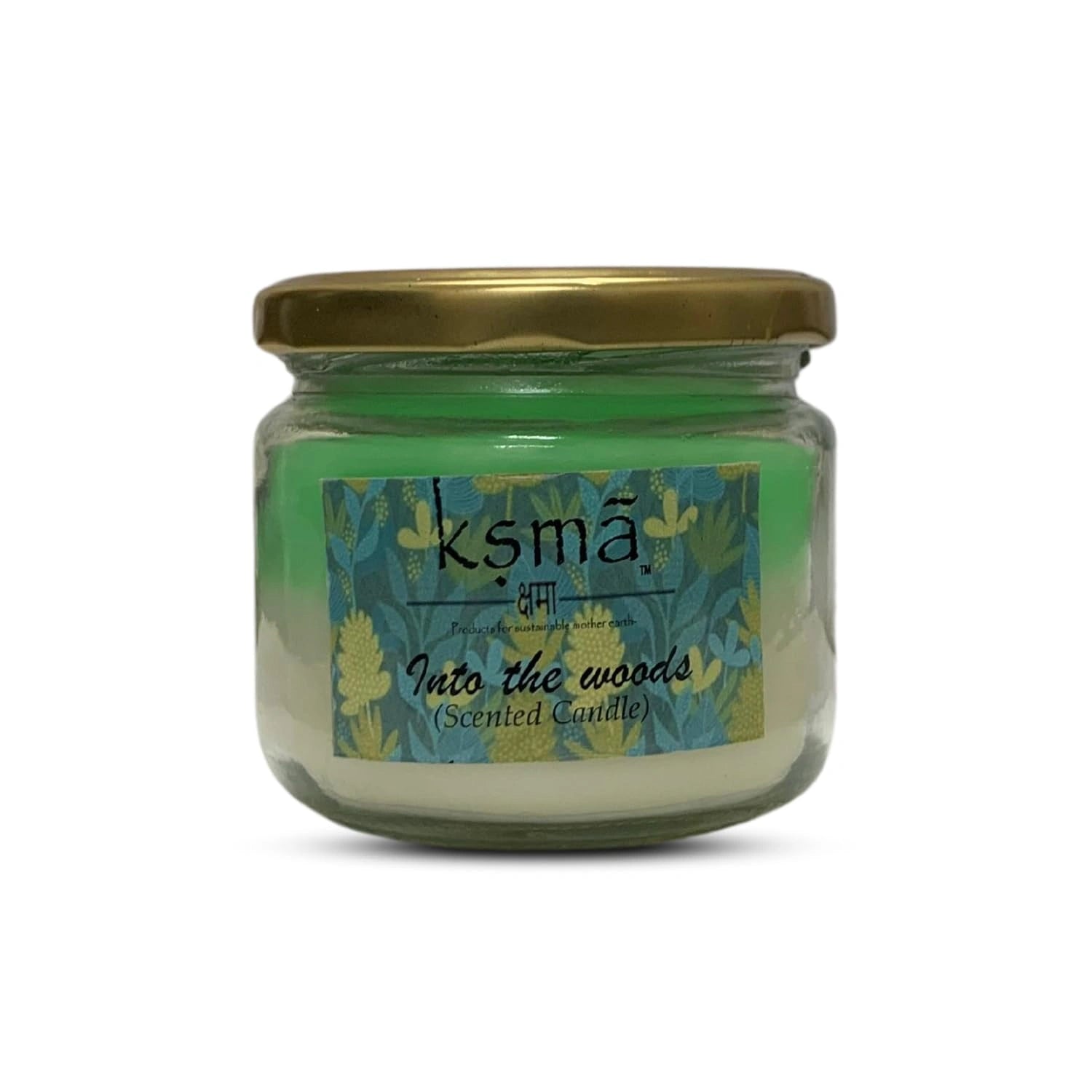


Most people only ever see the finished product — a neatly packaged candle sitting on a shelf or arriving as a Diwali gift. What actually goes into getting there is a fairly involved process, one that explains why the quality, fragrance, and finish of a candle can vary so much between a mass-market shelf item and something made by a proper candle manufacturer.
Understanding this process is genuinely useful if you're gifting at any scale this Diwali — it helps explain why some Diwali gift ideas feel noticeably more premium than others, why bulk pricing works the way it does, and what separates a domestic-only supplier from a serious candle exporter. This blog walks through that journey — from raw wax to a finished gift box — and connects each stage to real Diwali gifting examples along the way, including options suited to corporate Diwali gift, Diwali party gift, and Diwali bulk gift needs.
Every candle starts with a decision that most buyers never think about — the wax itself. Paraffin, soy, and beeswax all behave differently in terms of burn time, scent throw, and finish, and a good manufacturer chooses the base wax deliberately based on what the final product needs to do.
For simple, high-volume gifting — like a basic Diwali bulk gift order — a manufacturer typically uses a wax blend optimised for consistency and cost-efficiency. For something more premium, like a scented or decorative candle, soy or soy-blend waxes are often preferred for their cleaner burn and better fragrance retention.
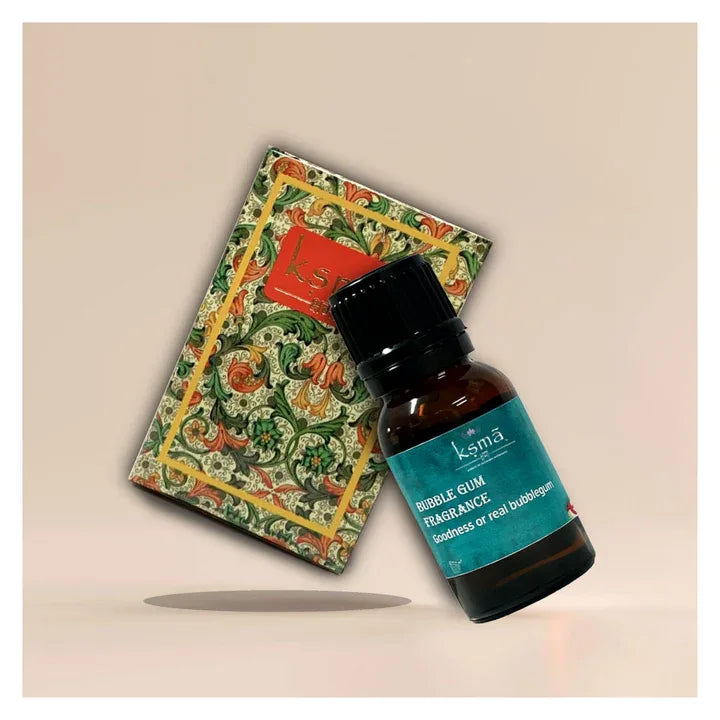
This is where a candle starts to develop its identity. Fragrance oils are blended and tested for strength and longevity, while colours (if used) are added to match the intended aesthetic. This stage is far more technical than it looks — too much fragrance oil can affect how a candle burns, and getting the balance right takes real production experience.
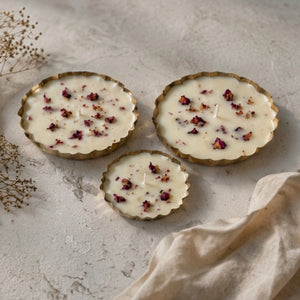
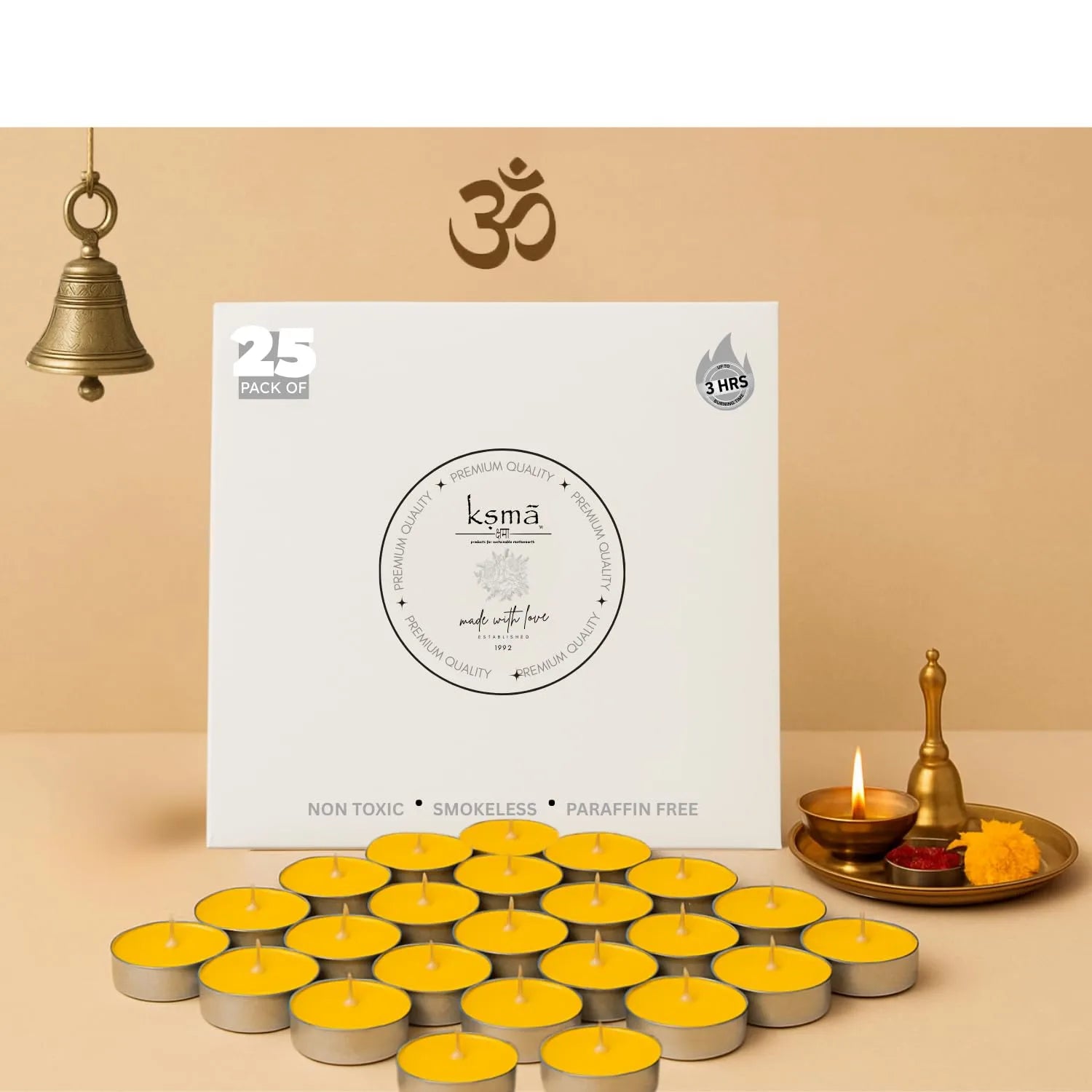
A rose-scented tea light candle set of ten is a good example of a product where this stage matters enormously. The fragrance needs to be noticeable without being overpowering, especially since tea-lights are often gifted in sets and used across multiple rooms during the festive week.
Once the wax and fragrance are finalised, the candle takes its physical shape — whether that's a simple tea-light, a pillar, or something more decorative. Shaped and moulded candles require significantly more precision than standard shapes, since uneven cooling or poor mould quality can lead to cracking or an inconsistent finish.
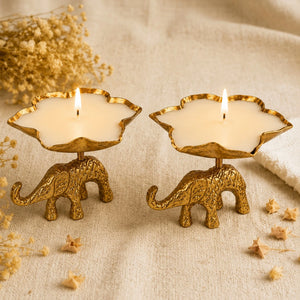
The KSMA Lotus Urli candle set of 2 in amber wood scent reflects this stage well — the flower-shaped design with golden edges demands a level of moulding precision that a basic production line typically can't match, which is part of why decorative candles like this work so well as a premium corporate Diwali gift.
A candle's wick placement directly affects how evenly it burns, and this is one of the most overlooked quality factors by buyers. Off-centre or poorly sized wicks lead to tunnelling, uneven melting, and shorter usable life — issues that are far more noticeable in a gifted candle than in one bought for personal use, since the recipient's experience reflects directly on the giver.
Reputable manufacturers test burn consistency across sample batches before scaling up production, which is a key reason why sourcing from an established candle manufacturer matters more than it might seem for something as simple as a candle.
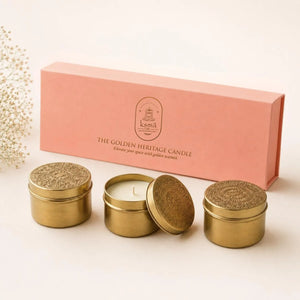
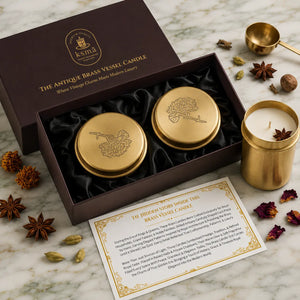
For gifting specifically, packaging is where a candle transforms from a product into a gift. This includes everything from the box design to how individual pieces are separated for a Diwali bulk gift order, since packaging done well at the manufacturing stage saves buyers significant time compared to repackaging retail items themselves.
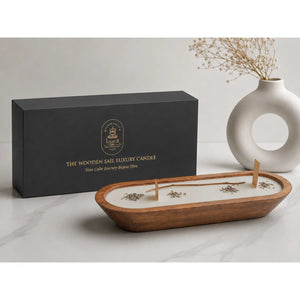
A Diwali gift candle illustrates this well — it's manufactured with gifting in mind from the start, meaning the presentation is already handled by the time it reaches the buyer, rather than needing extra work before it can be sent out as a corporate Diwali gift.
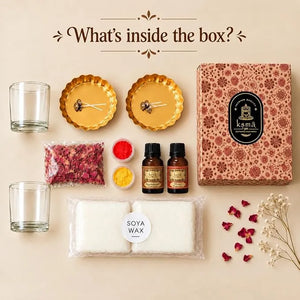
Not every candle-related gift needs to arrive finished. Some manufacturers now offer kits that let the recipient complete part of the process themselves, turning gifting into a small creative activity rather than a passive handover.
A candle-making kit with soya wax, glass jars, and scented oils is a good example of this approach. It packages the earlier stages of the manufacturing process — wax, fragrance oils, wicks, and moulds — into a kit form, making it an engaging Diwali party gift for friends or a creative option for internal office celebrations.
Understanding this process isn't just useful trivia — it directly affects sourcing decisions. Buyers placing large Diwali bulk gift orders benefit from working with manufacturers who maintain consistency across every stage, since even small variations in wax, fragrance, or moulding become far more visible at scale.
For businesses working with a candle exporter, this consistency matters even more, since international buyers often have less room to inspect and reject inconsistent batches before they reach the final recipient.
Imagine a company sourcing Diwali gifts this year and wanting to understand why certain products are priced differently. Here's how the manufacturing journey explains it:
A Diwali gift candle sits at the simpler end of the process — standard wax, straightforward moulding, and gift-ready packaging — making it an efficient, cheap and affordable Diwali gifts option for broad distribution.
A rose-scented tea light candle set involves more careful fragrance development, justifying its position as a slightly upgraded Diwali party gift.
The KSMA Lotus Urli candle set reflects the most involved process — precise moulding and decorative detailing — which is why it works best as a premium corporate Diwali gift for a smaller, more important group.
Seeing the process behind each product makes it much easier to choose the right one for the right budget and occasion.
Different waxes vary in cost and performance — soy-based waxes, for instance, tend to hold fragrance better but cost more than standard paraffin blends, which affects final pricing.
Shaped or decorative candles require more precise moulding and finishing, which takes more time and skill than manufacturing standard tea-lights or pillar candles.
Yes. Well-designed packaging done at the manufacturing stage saves buyers time and effort, especially for Diwali bulk gift orders that need to be gift-ready without extra work.
Yes, especially for a more personal or engaging Diwali party gift — they offer a creative experience rather than just a finished product.
Small production variations become far more noticeable at scale, which is why working with an experienced candle manufacturer or candle exporter matters more as order sizes grow.
Behind every simple Diwali candle gift is a fairly detailed process — choosing the right wax, developing fragrance, precise moulding, careful wick placement, and thoughtful packaging. Understanding this journey makes it easier to see why certain Diwali gift ideas are priced the way they are, and why sourcing from a genuine candle manufacturer or candle exporter makes such a difference for corporate Diwali gift and Diwali bulk gift orders alike. This Diwali, knowing what goes into the gift can make choosing the right one a lot easier.




Fill the form and get latest updates & offers.