Cart
0
You may also like






Making your own perfume at home is one of the most creative and rewarding DIY projects you can undertake. Commercial perfumes cost thousands of rupees — and most contain synthetic compounds that are difficult to identify or research. A homemade perfume lets you choose exactly what goes in, experiment with scent combinations, and create a unique fragrance that is genuinely yours.
This guide walks you through how to make perfume at home using fragrance oils — with a simple recipe, blending tips, and guidance on getting a scent that lasts.
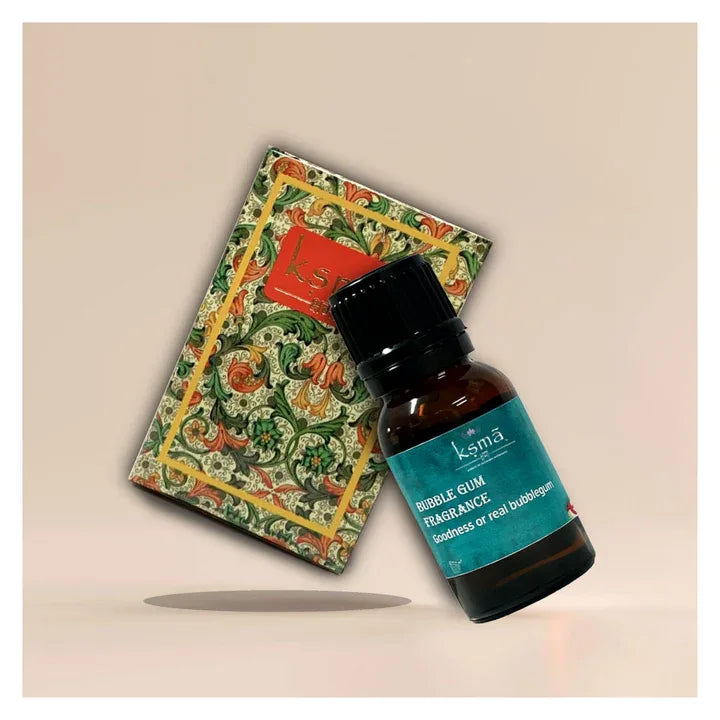
Fragrance Oils — the aromatic base of your perfume. Use candle and cosmetic-grade fragrances from KSMA's fragrance collection. These are formulated to perform well in perfume applications.
Carrier — Perfumer's Alcohol or Jojoba Oil — the base that dilutes and carries the fragrance. Perfumer's alcohol (isopropyl alcohol or ethanol) gives a traditional eau de parfum finish. Jojoba oil gives a solid or oil-based perfume with a softer sillage.
Dark Glass Bottle with Spray or Dropper — amber or cobalt blue glass protects the fragrance from light degradation.
Measuring pipette and a small funnel
A well-constructed perfume has three layers of scent — known as notes:
Top Notes — the first scent you smell when the perfume is applied. They evaporate rapidly, usually within 15 to 30 minutes. Examples: citrus, lemon, peppermint, lemongrass.
Middle Notes — the heart of the perfume. They emerge after the top notes fade and last for several hours. Examples: rose, jasmine, lavender, cinnamon.
Base Notes — the foundation of the perfume. They last the longest — sometimes all day — and anchor the other notes. Examples: sandalwood, amber, oud, vanilla, musk.
A balanced perfume typically uses 20 to 30% top notes, 50 to 60% middle notes, and 20 to 30% base notes.
This recipe makes one 30ml bottle of eau de parfum.
Ingredients:
22ml Perfumer's Alcohol or high-proof ethanol
6ml Fragrance blend (20% of total)
2ml Distilled Water
Fragrance Blend Example:
1.5ml Lemongrass or Citronella (top note)
3ml Lavender or Rose (middle note)
1.5ml Sandalwood or Amber Woods (base note)
Instructions:
Step 1 — Blend your fragrance oils in a small glass container. Mix top, middle, and base notes and stir gently.
Step 2 — Add the fragrance blend to the perfumer's alcohol in your glass bottle. Seal and gently roll between palms to mix — do not shake vigorously.
Step 3 — Add distilled water and mix again.
Step 4 — Seal the bottle and store in a cool, dark place for at least 48 hours — ideally 2 to 4 weeks. This maceration period allows the fragrance molecules to fully blend and develop.
Step 5 — After maceration, your perfume is ready to use. Spray lightly on pulse points — wrists, neckline, and behind the ears.
Warm Oriental:
Top: Cinnamon
Middle: Rose
Base: Amber Woods + Vanilla
Fresh Floral:
Top: Lemongrass
Middle: Lavender + Jasmine
Base: Sandalwood
Luxury Oud:
Top: Citronella
Middle: Rose
Base: British Oud
Tropical:
Top: Coconut
Middle: Jasmine
Base: Vanilla
Browse all fragrances in KSMA's fragrance collection.
If you prefer an oil-based perfume without alcohol, jojoba oil makes an excellent carrier. Simply mix your fragrance blend at 20 to 25% into jojoba oil. Apply to pulse points with a roller ball or dropper. Oil-based perfumes have a softer sillage but often last longer on skin.
Let it macerate — the longer you allow the fragrance to blend with the alcohol, the better the final scent. 2 to 4 weeks gives the best results.
Start with a small test batch — make 5ml test batches of different blends before committing to a full 30ml bottle.
Keep notes — record the exact amounts of each fragrance used in each blend. You will want to recreate your best results.
Test on skin — always test on skin before finalising. Fragrances often smell different on the skin compared to the bottle.
Q: Can I use essential oils instead of fragrance oils for homemade perfume?
Yes — essential oils can be used, but they are more expensive, have a lower concentration, and some may cause skin sensitisation at high concentrations. Fragrance oils are more affordable and consistent for perfume making.
Q: How long does homemade perfume last on skin?
An eau de parfum with 20% fragrance concentration typically lasts 4 to 6 hours on skin. Oil-based perfumes often last longer as they release fragrance slowly throughout the day.
Q: What is the best alcohol for homemade perfume?
High-proof ethanol (90%+) or perfumer's alcohol is best. Isopropyl alcohol can be used, but it may leave a harsher initial scent.
Q: Where can I buy fragrance oils for perfume making in India?
KSMA offers 50+ candles and cosmetic-grade fragrances at ksma.in/collections/fragrance with free shipping above Rs. 999.
Making your own perfume is a creative, rewarding process that gets better with every batch. Start with a simple three-note blend, allow proper maceration time, and do not be afraid to experiment — some of the best perfumes are happy accidents.
Shop KSMA's complete fragrance collection online with free shipping above Rs. 999.
Published by KSMA | India's trusted source for premium candle-making supplies, fragrances, and carrier oils.




Fill the form and get latest updates & offers.