Cart
0
You may also like






Ask ten candle makers which wax is "the best" and you'll get ten different answers, usually delivered with a lot of conviction. That's because the question itself is a little broken — soy, paraffin, and beeswax aren't competing for the same job. One is built for a strong, throw-heavy scent. One is built to look and feel "clean" on a label. One is built to last, burn slow, and sit at the top of a gifting shelf.
2026 has made this decision more visible than ever, because customers now actually read what a candle is made of before they buy it. A jar candle sitting next to three others on a shelf will get picked apart on wax type, not just fragrance name. So instead of asking "which wax wins," this piece looks at what each wax is actually good at — and where it quietly falls short — so you can match the right one to the candle you're trying to build.
Soy wax comes from hydrogenated soybean oil, and its biggest strength isn't really about burning — it's about trust. Shoppers increasingly associate soy with "plant-based," "non-toxic," and "safe to burn indoors," even if the science behind those claims is more nuanced than the marketing suggests. Practically speaking, soy burns at a lower temperature than paraffin, which stretches out burn time and keeps soot production noticeably lower.
The catch: soy doesn't project fragrance as aggressively as paraffin does. A candle maker switching from paraffin to soy usually has to bump up fragrance concentration to get comparable scent throw, or accept that the candle will smell great up close but won't fill a large room the same way. Soy is also softer, which means it's more prone to "frosting" — a natural whitish, textured film that some buyers mistake for a defect.
Paraffin gets criticized in candle-making circles for being "not natural," and yet it's still the wax powering a massive share of commercial candle production — for good reason. It carries fragrance harder and further than soy or beeswax, holds vivid color exceptionally well, and costs less per kilogram, which matters enormously when you're producing thousands of units for a festive season.
Where paraffin struggles in 2026 is optics, not performance. Sustainability-conscious buyers now scan labels for "soy" or "natural," and paraffin doesn't get to make that claim. It also tends to produce more visible soot over a long burn compared to soy or beeswax, which shows up as black residue on jar walls — something premium buyers notice and budget buyers usually don't mind.
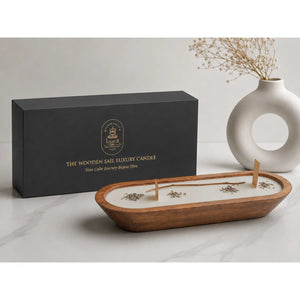
Beeswax occupies a category of its own. It's the only one of the three that isn't primarily a blank canvas — it has its own warm, honey-like scent, a naturally golden hue, and a reputation (real or exaggerated) for purifying indoor air as it burns. That built-in character is exactly why it doesn't pair well with strong added fragrances; the two scents compete instead of complementing each other, which is why most beeswax candles are lightly scented or left unscented entirely.
It also burns considerably longer than soy or paraffin due to its higher melting point, which is a genuine selling point for premium and gifting candles where "this candle lasted for weeks" becomes part of the customer's story. The obvious downside is cost — beeswax is priced well above both alternatives, which rules it out for high-volume, budget-driven production.
|
Soy Wax |
Paraffin Wax |
Beeswax |
|
|
Burn length |
Long |
Average |
Longest |
|
Scent throw |
Gentle |
Strong |
Subtle, wax has its own aroma |
|
Soot |
Minimal |
Higher |
Very minimal |
|
Price point |
Mid |
Lowest |
Highest |
|
Label appeal |
Strong ("natural") |
Weak |
Strong (premium/artisanal) |
|
Where it fits |
Everyday scented jar candles |
Bulk festive & décor candles |
Gifting, wellness, luxury lines |
Picture three different orders coming through the same production month:
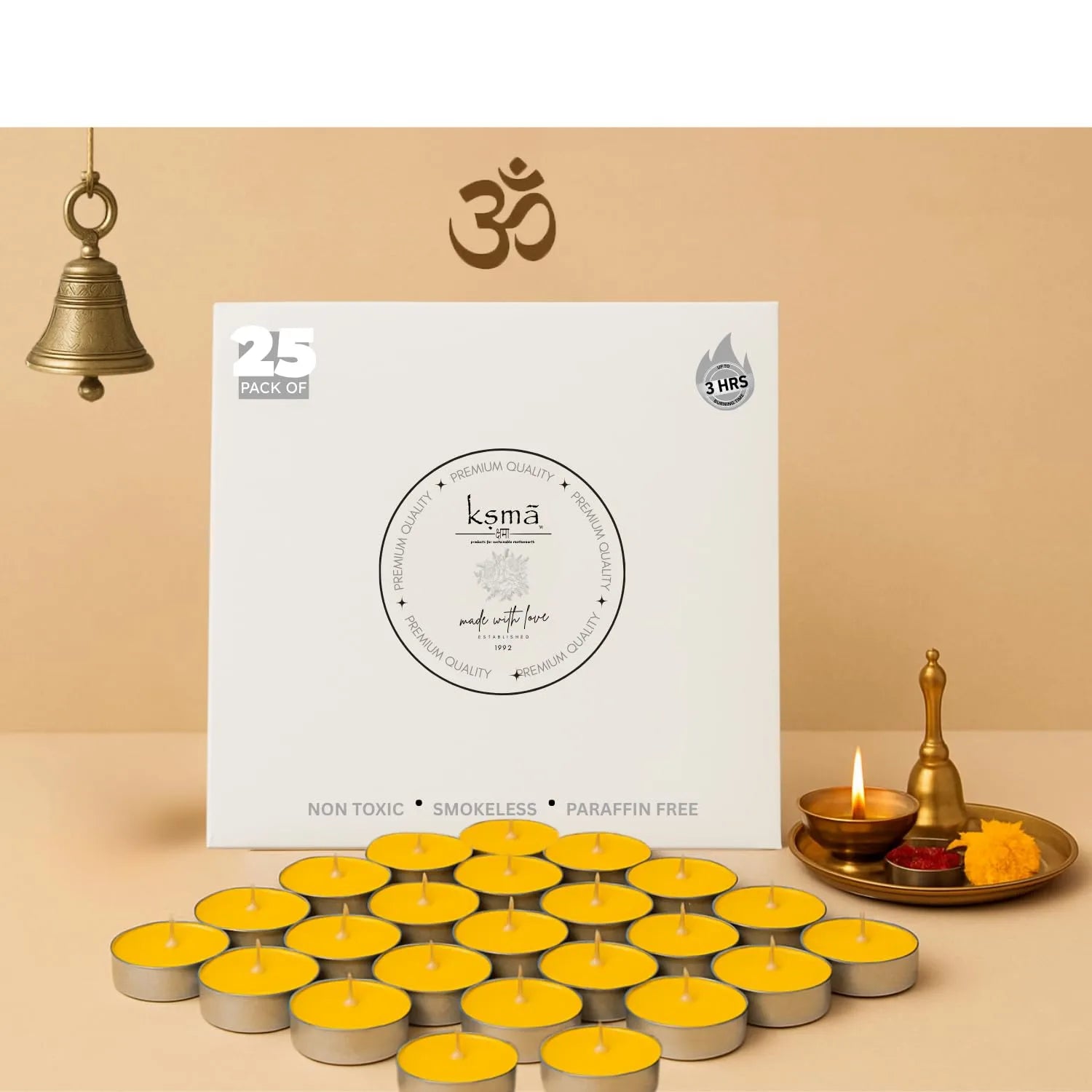
A brand preparing thousands of tealights for the Diwali season goes with paraffin — at that volume, cost per unit and reliable scent throw outweigh any label concerns, since these candles are priced to move fast, not to be scrutinized ingredient by ingredient.
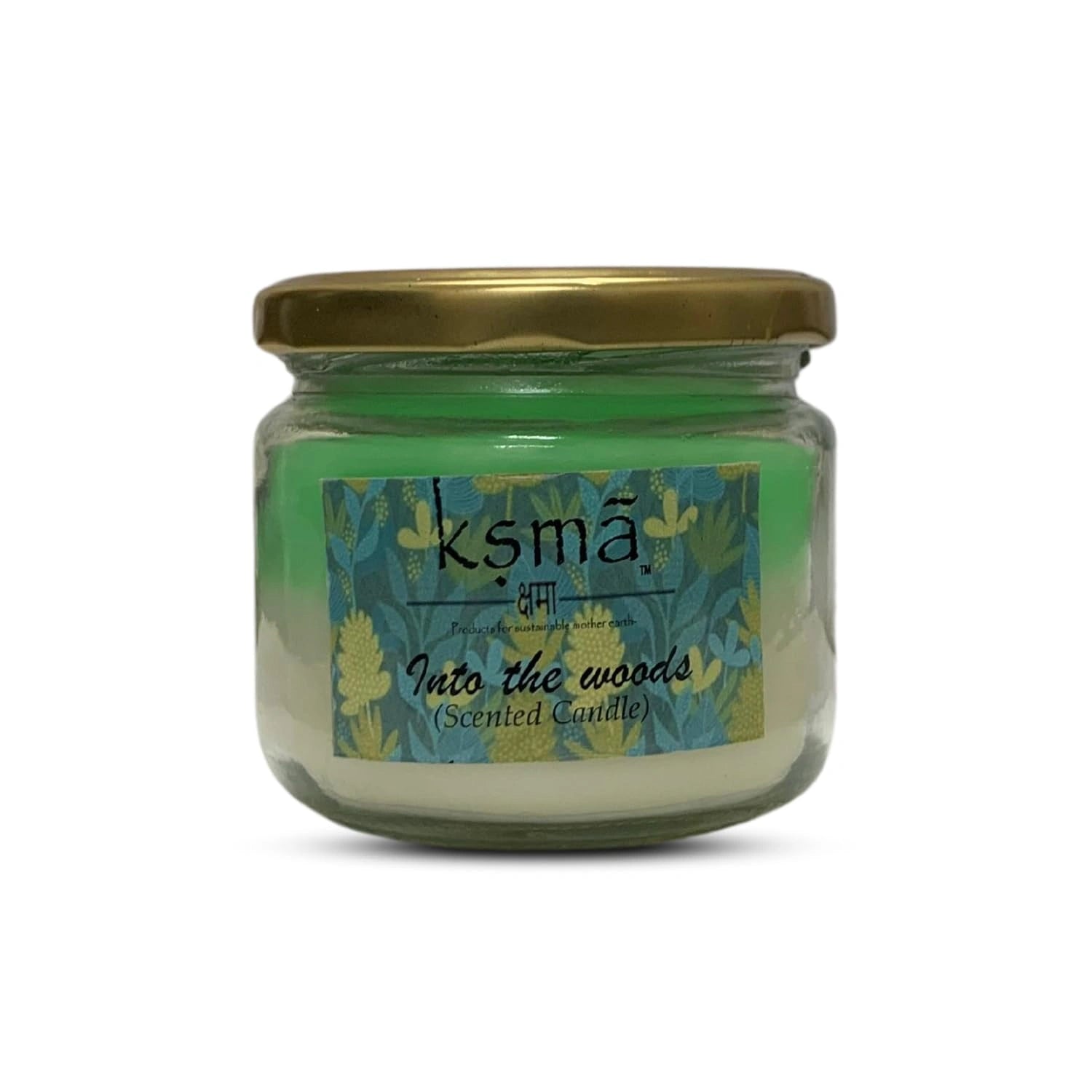
A newer brand trying to build a "clean home fragrance" identity for a D2C audience goes with soy wax for its signature jar line, treating the wax choice itself as part of the brand story — right alongside charcoal-free wicks and phthalate-free fragrance oils.
A boutique brand putting together a festive gifting hamper picks beeswax for a small, unscented candle nestled inside the box — leaning into its natural gold color and the "burns for weeks" claim as part of the premium unboxing experience.
Same season, three completely different wax decisions — and all three are correct for what they're trying to achieve.
Soy is usually the easiest starting point — it's forgiving on temperature, widely available, and doesn't demand the precision beeswax sometimes needs to avoid cracking or uneven cooling.
In practical terms, yes — soy tends to produce less visible soot over a burn cycle. The gap has narrowed as paraffin refining has improved, but soy still holds a slight edge here.
For a premium or gifting product where customers already expect to pay more, yes — the longer burn time and natural character justify the cost. For high-volume or budget lines, the price gap is hard to recover.
Yes, blending is common. A soy-paraffin mix, for example, lets makers keep some of soy's cleaner burn while borrowing paraffin's stronger fragrance throw — a practical middle ground many brands quietly use.
Not quite. Soy dominates mainstream D2C and home-fragrance branding because of the "natural" label appeal, beeswax is growing fastest in premium and gifting categories, and paraffin still quietly powers most large-volume festive and décor candle production. All three are trending — just in different segments.
There isn't a single "winning" wax in this comparison, and treating it like a competition misses the point. Soy earns trust on the label, paraffin earns performance at scale, and beeswax earns its price tag through longevity and character. The candle brands doing well in 2026 aren't loyal to one wax — they're choosing the right one for each product line they build.
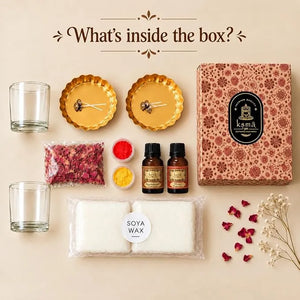
KSMA stocks soy wax, paraffin wax, and refined beeswax along with wicks, pigments, and fragrance oils, so you can source whichever wax fits your next batch without switching suppliers. Browse KSMA's Wax Range →




Fill the form and get latest updates & offers.