Cart
0
You may also like

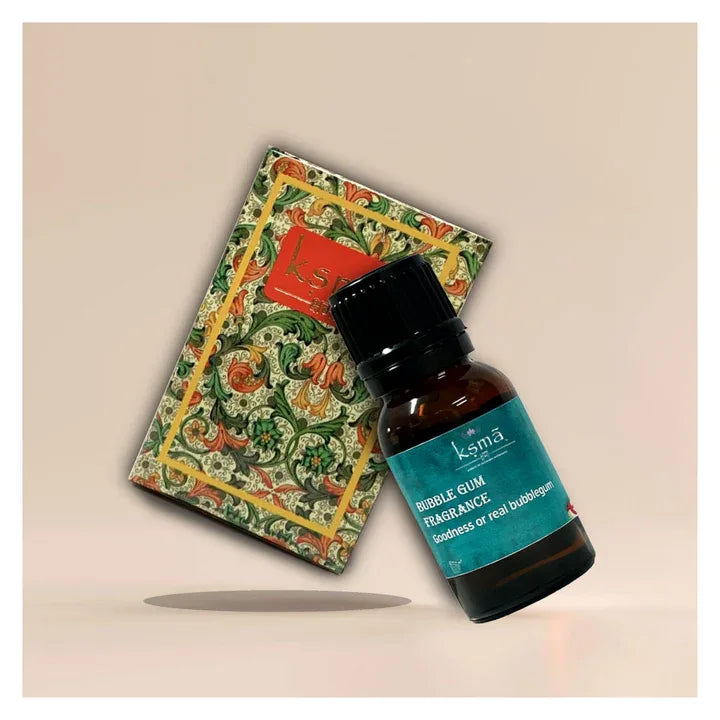


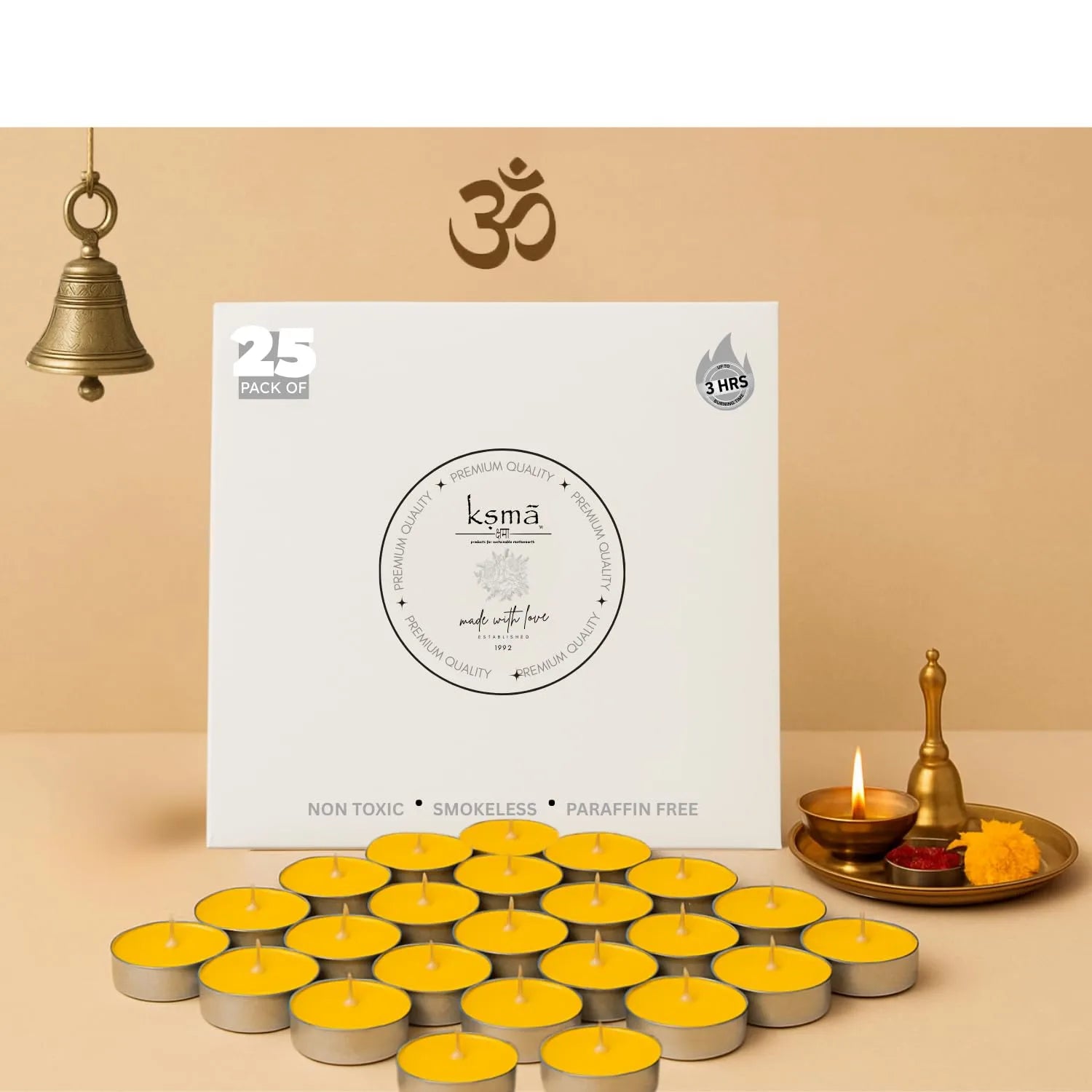

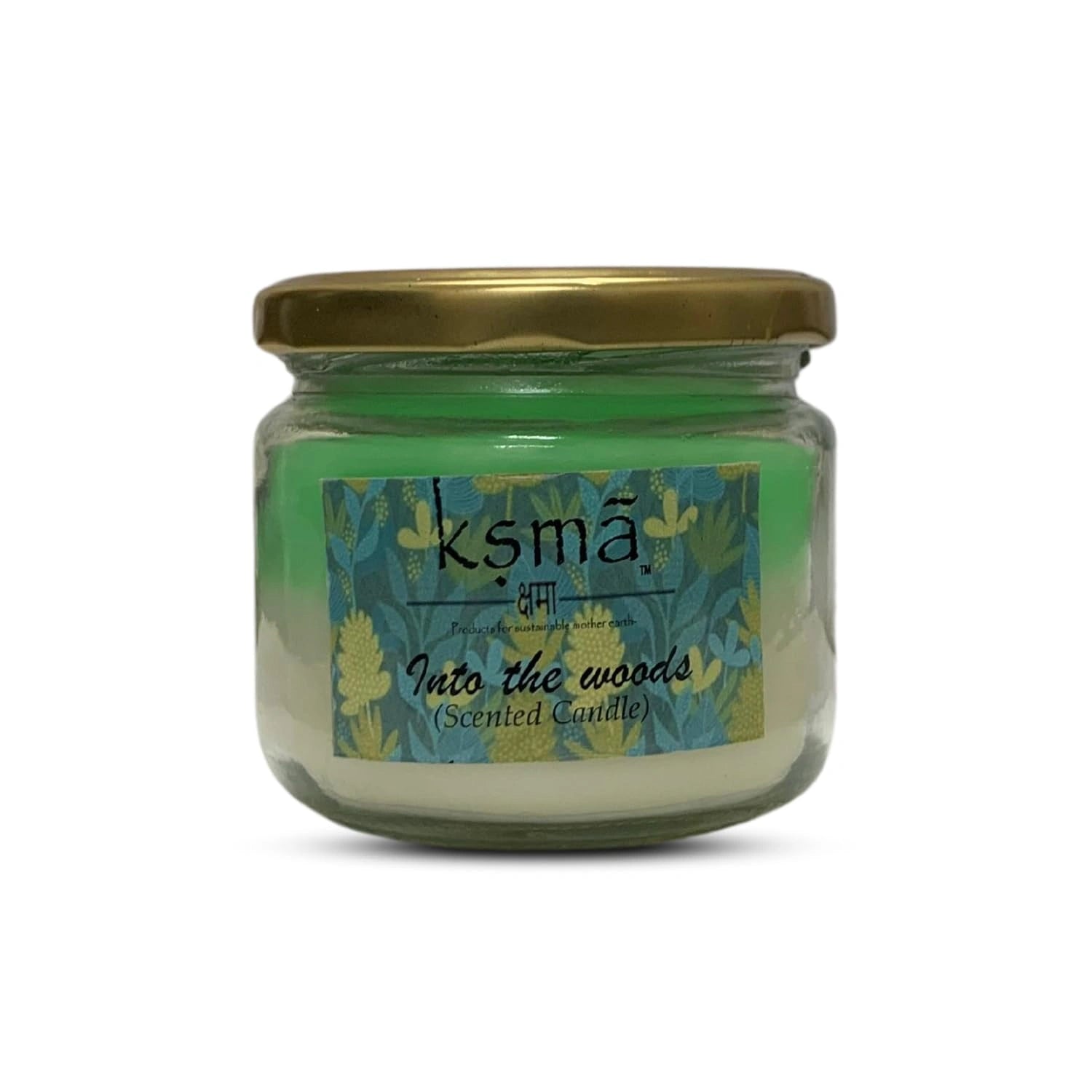



If you've spent any time browsing fragrance oils for candle making or soap crafting, you've probably noticed that most "vanilla" blends fall into one of two camps: overly sweet bakery scents, or thin, one-dimensional vanilla extracts that fade within an hour of pouring. Utopia Vanilla Coco sits in a different category altogether — a gourmand fragrance built around real depth, where the coconut note actually earns its place instead of just riding along as an afterthought.
This guide breaks down exactly what this fragrance smells like, how it performs in different applications, and the practical numbers you need if you're using it in candles, soap, or diffusers — not just marketing language about "warmth" and "comfort."
Fragrance oils are built in layers — top, heart, and base notes — and understanding this structure tells you a lot about how a scent will behave over time, not just how it smells straight out of the bottle.
Top note: Toasted coconut. This is the first thing you notice. It's not a sugary, sunscreen-adjacent coconut — it leans slightly toasted and nutty, closer to the smell of coconut flakes browned in a pan than coconut suntan lotion. This note is volatile, meaning it evaporates fastest, which matters for how you use it (more on that below).
Heart note: Vanilla bean custard. Once the coconut settles, a creamy, slightly eggy vanilla note takes over. This isn't synthetic vanillin sharpness — it reads more like real vanilla bean paste, with a rounder, less "candy" character than cheaper vanilla fragrance oils.
Base note: Soft musk. A light musk sits underneath everything, and its job is purely structural — it keeps the sweetness from tipping into cloying territory and helps the scent cling to wax, fabric, or skin for longer.
The overall effect is closer to a coconut-vanilla dessert — think tres leches cake or coconut cream pie — than a beach-vacation fragrance. It's sweet, but grounded rather than sharp.
Fragrance oil behavior in candles depends heavily on wax type, fragrance load, and wick selection, so treat the numbers below as a starting point to test from, not a fixed rule.
Recommended fragrance load: 6–8% by weight of wax (roughly 60–80 grams of fragrance oil per kilogram of wax). Going above 10% risks the oil "sweating" out of the wax after curing, especially in soy blends.
Wax compatibility: Works well in soy, soy-coconut blends, and paraffin. In pure coconut wax, the coconut top note can compete with the wax's natural scent, so soy or soy-blend bases tend to let the fragrance read more clearly.
Wick sizing consideration: Because the coconut top note is more volatile than the vanilla base, a wick that's slightly undersized will let the vanilla dominate and the coconut opening will barely register in cold throw. If you want both notes to show up in hot throw, size your wick toward the stronger end of the recommended range for your container — a full melt pool matters more with layered scents like this one than with single-note fragrances.
Cure time: Give poured candles at least 5–7 days to cure before burn-testing. Vanilla-based fragrances in particular tend to "settle" and smooth out during curing — a candle that smells slightly harsh on day one often mellows into the intended profile by day five.
Vanilla-heavy fragrances are notorious for causing discoloration in cold-process soap due to vanillin content, and Utopia Vanilla Coco is no exception — expect the bar to darken toward tan or light brown over the curing period, even if it looks pale white right after pouring.
Recommended usage rate: 3–5% of your total oil weight, added at light trace.
Discoloration workaround: If you want to keep your soap pale, either embrace the tan color as part of the design (it pairs nicely with a "toasted coconut" aesthetic — swirl in some cocoa powder or activated charcoal for contrast) or use a color stabilizer formulated for vanillin discoloration, sold by most soap-making suppliers.
Trace behavior: This fragrance doesn't typically accelerate trace significantly, but as with any fragrance oil, test a small batch first — fragrance-to-fragrance behavior varies even within the same supplier's catalog.
Reed diffusers: Use the oil undiluted, or blend with a light carrier oil (like fractionated coconut oil, fittingly) at up to 20% dilution if you want to stretch the scent throw across more reeds without overpowering a room.
Electric/aroma diffusers: 8–10 drops per 100ml of water is a reasonable starting point; adjust based on room size.
Room sprays: Dilute the fragrance oil to around 10% in a DPG (dipropylene glycol) or alcohol base. Going stronger than this in a spray tends to make the coconut top note feel sharp rather than warm, since there's no wax or oil medium to soften it.
Keep the bottle in a cool, dark place, away from direct sunlight and temperature swings — a cabinet or drawer works better than a windowsill or a hot workshop shelf. Fragrance oils oxidize over time, and vanilla-based blends in particular tend to shift character as they age: the coconut top note fades first, leaving a heavier, sweeter vanilla profile than what you started with.
For best results, use the oil within 12 months of purchase. If you're buying in bulk for a production run, date your bottles so older stock gets used first.
Utopia Vanilla Coco suits makers who want a dessert-adjacent scent without going full bakery-sweet. It works particularly well for:
Every fragrance oil performs slightly differently depending on your specific wax supplier, wick brand, and even the humidity in your workspace. The numbers in this guide are solid starting points based on general fragrance oil behavior in this scent family — but if you're building a product line around this fragrance, always run a small test batch first: pour a few candles at different fragrance loads, cure them, and burn-test before committing to a larger production run.
If you're working on a specific project — a candle line, a soap batch, or a diffuser blend — and want guidance tailored to your setup, reach out directly:
📞 Call us: +91 9354911269 📧 Email us: support@ksma.in
We're happy to help you figure out the right fragrance load for your specific wax, wick, or base before you commit to a full batch.




Fill the form and get latest updates & offers.