Cart
0
You may also like

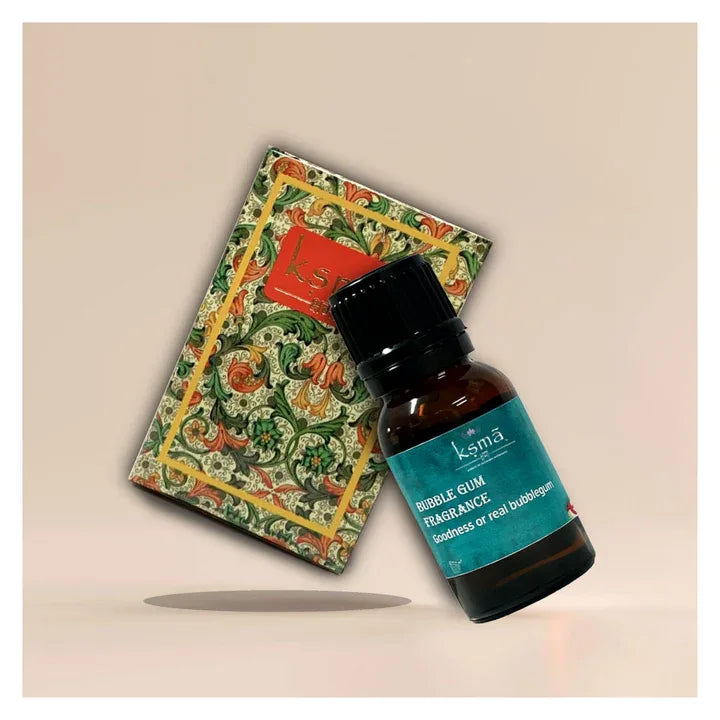


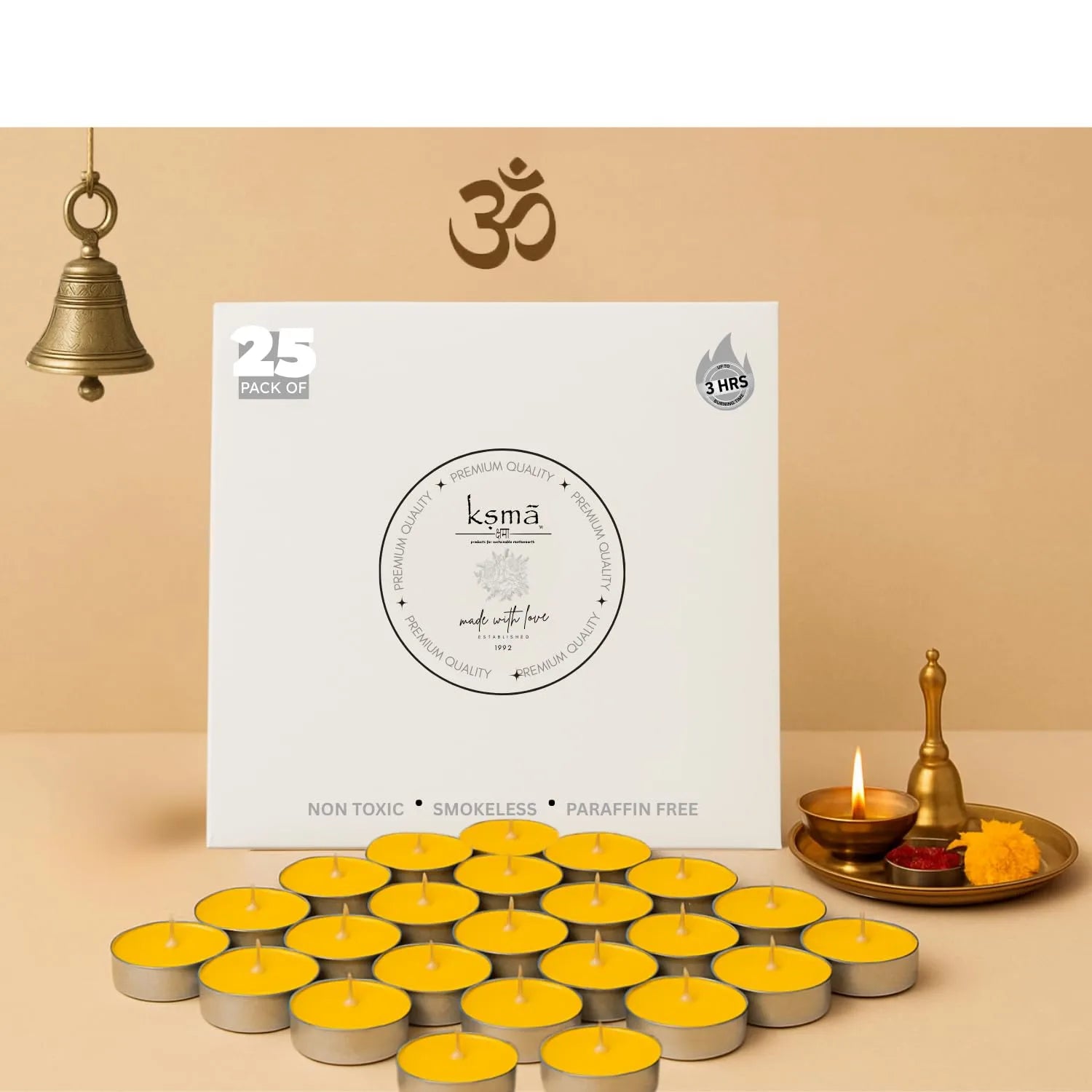

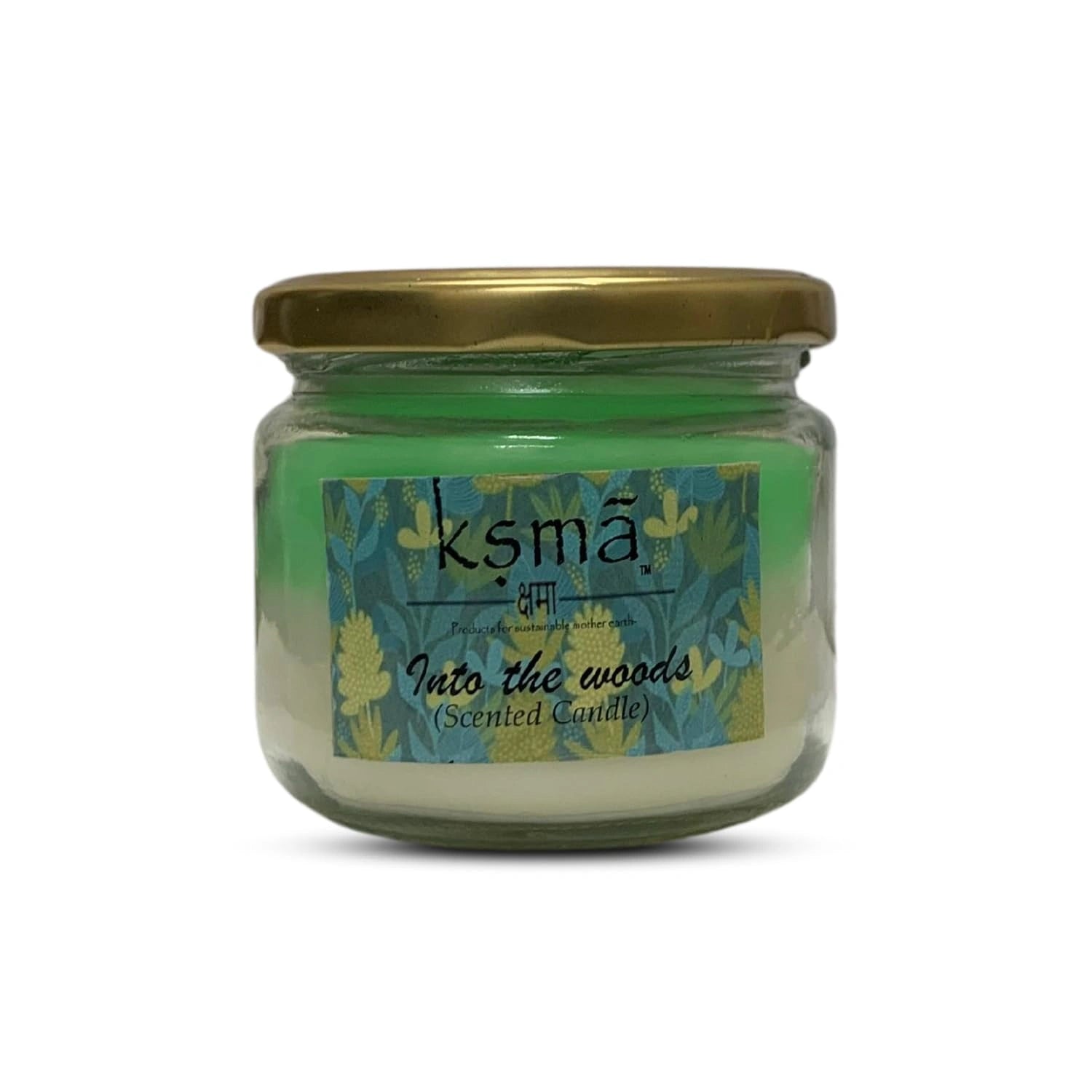


Soy wax has become the go-to choice for candle makers across India, from home-based crafters in Delhi. It burns cleaner, holds fragrance beautifully, and carries a natural story that today's consumers pay a premium for. Whether you're launching your first candle line or scaling an existing one, the wax you choose affects everything: burn quality, scent throw, shelf life, and your brand's eco credentials. The grade you pick, the supplier you trust, and the techniques you use can mean the difference between a candle customers rave about and one they never repurchase. This guide explains everything you should consider before making a purchase.
Soy wax is a plant-based wax produced from hydrogenated soybean oil. The soybeans are harvested, cleaned, cracked, and processed until the liquid oil solidifies into the creamy, off-white wax candle makers know and love. Developed in 1992 as a natural alternative to paraffin, it has gained significant market share. Three qualities make it the top choice for modern Indian candle brands:
Clean burning: Produces far less soot than paraffin, safer for indoor air and keeps jar labels pristine.
Excellent fragrance retention: Binds and releases fragrance oils gradually for consistent scent throw.
Renewable and natural: Soybeans are a crop — a strong eco story for Instagram-driven audiences.
Three grades dominate the Indian market. Each is suited to a different candle format:
|
Grade |
Melting Point / Frag Load |
Best For |
(Wholesale/kg) |
|
464 |
46–49°C / up to 10% |
Jar & tin candles |
145/kg (25kg) |
|
444 |
50–54°C / up to 9% |
Votives & jars (smooth finish) |
155/kg (25kg) |
|
Blended |
52–60°C / up to 8% |
Pillars & wax melts |
135/kg (25kg) |
Jar/tin/tumbler candles: Start with Grade 464. Best adhesion to glass, forgiving for beginners, and excellent scent throw.
Premium jars with smooth finish: Use Grade 444. Higher melt point also gives better heat resistance in Indian summers.
Pillar candles or wax melts: Use blended soy wax. bestsoy is too soft for freestanding formats — it will slump.
Luxury candles: Blend 464 with 10–15% coconut wax for a glossier finish and stronger fragrance throw.
Fragrance load: Use 8% by weight as your starting benchmark (40g per 500g of wax). Grade 464 can hold up to 10%, but starting at 8% avoids surface sweating and fragrance pooling at the top of the jar.
Add fragrance at 60–65°C, not at full pour temperature. Adding fragrance oil to wax, still at 75–80°C, burns off the delicate top notes and weakens the overall scent profile.
Cure for 48–72 hours minimum before testing or shipping. Fragrance molecules continue bonding to the wax matrix during curing. Candles burned too soon will always seem weaker than they actually are.
In hot climates (Rajasthan, Tamil Nadu, Gujarat in summer), add 5–10% beeswax to raise the melt point and prevent softening or slumping during transit and storage.
When choosing a supplier, look for confirmed grade labelling with a spec sheet on request, consistent batch quality, no high minimum order quantities, pan-India shipping within 3–5 business days, and sealed moisture-resistant packaging. Avoid suppliers who sell unspecified "soy wax" without disclosing the grade—it may be adulterated with paraffin.
KSMA sources directly from verified manufacturers and offers Grade 464, 444, and Blended Soy Wax in 500g, 1kg, 5kg, and 25kg variants. Free shipping on orders above ₹999 with 2-day dispatch on orders placed before 11 PM.
Yes. Soy wax burns cleaner with significantly less black soot, lasts up to 50% longer per gram, and comes from a renewable agricultural source. Paraffin is a petroleum by-product that produces more soot and VOCs indoors. For health-conscious or eco-conscious Indian consumers, soy wax is the clear, marketable choice.
Grade 464 melts at 46–49°C, Grade 444 at 50–54°C, and blended grades range from 52–60°C. These lower melting points mean soy candles can soften in Indian summer heat — choosing the right grade for your region and packaging type matters more than most beginners realise.
Start at 8% by weight — that is, 40g of fragrance oil per 500g of soy wax. Grade 464 can technically hold up to 10%, but exceeding this risks fragrance pooling, surface sweating, and uneven burn behaviour. Always check your specific fragrance oil's recommended usage rate before scaling to production.
Grade 464 is the industry standard for jar candles in India. It offers excellent adhesion to glass, strong fragrance retention up to 10% load, and a self-levelling property that reduces surface imperfections. If you prefer a less frosted, smoother top, test Grade 444 alongside it.
best soy wax is too soft for freestanding pillar candles and will slump at room temperature in warm Indian conditions. Use blended soy wax — typically 70–80% soy combined with 20–30% paraffin or beeswax — to achieve the structural rigidity pillars require while retaining some of the natural soy story.
Shop KSMA Soy Wax — Starting ₹199 | Free Shipping on ₹999+ Orders Trusted by 10,000+ candle makers across India · Same-day dispatch · Pan-India delivery




Fill the form and get latest updates & offers.