Cart
0
You may also like

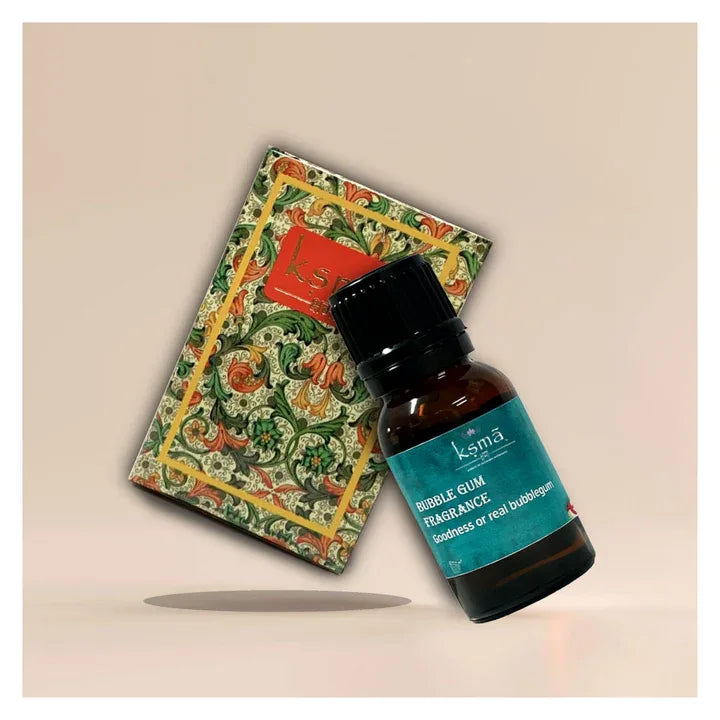






It is one of the most common debates in the Indian candle-making community. Essential oils feel natural, pure, and premium. Fragrance oils feel synthetic, mass-produced, and somehow less authentic. But when it comes to actual candle performance — scent throw, safety, consistency, and cost — the picture is far more nuanced than the marketing suggests. Here is an honest, practical breakdown for candle makers in India.
Essential oils are natural concentrates extracted directly from plants — flowers, bark, roots, leaves, or fruit peels — through steam distillation or cold pressing. They contain the actual volatile aromatic compounds of the plant. Lavender essential oil, for example, is extracted from lavender flowers and contains linalool and linalyl acetate as primary aromatic compounds.
Fragrance oils are synthetically composed aromatic blends created in a laboratory. They are engineered to replicate a specific scent profile — or to create entirely new ones that don't exist in nature. A "Vanilla & Sandalwood" fragrance oil, for instance, is a crafted blend of aroma chemicals designed to give a specific olfactory experience.
The key distinction: essential oils are what the plant actually smells like. Fragrance oils are what perfumers and chemists decide a candle should smell like.
This is where the distinction becomes especially important
Cold throw (scent when the candle is unlit) is strong in both. Essential oils and fragrance oils both perform reasonably well in cold throw when used at the correct load.
Hot throw (scent when burning) is where essential oils consistently underperform. Most essential oils have low flashpoints — many fall below 60°C. When exposed to the heat of a burning candle, the volatile aromatic compounds in essential oils evaporate rapidly near the flame rather than releasing gradually into the room. The result is a candle that smells strong for the first 20 minutes of a burn, then fades noticeably.
Fragrance oils are specifically engineered for high-temperature stability. A quality candle fragrance oil with a flashpoint above 65°C releases scent gradually and consistently throughout the entire burn — from the first hour to the last.
Verdict on throw: Fragrance oils significantly outperform essential oils for hot throw in candles. This is not opinion — it is chemistry.
Both carry safety considerations that candle makers must understand.
Essential oils have low flashpoints, which means they can ignite more readily if used in excess or added to wax at too high a temperature. Some essential oils — citrus oils in particular, like orange or lemon — have flashpoints as low as 45–50°C, making them genuinely risky in candle applications without careful formulation.
Fragrance oils are formulated with candle safety in mind. Reputable candle fragrance oils have flashpoints above 65°C and are tested for safe use at standard fragrance loads (6–10% in soy or coconut wax). IFRA (International Fragrance Association) compliance is an additional safety benchmark to look for when sourcing fragrance oils.
For indoor candles burned regularly in homes — especially with children or pets present — fragrance oils from a verified supplier are the safer, more predictable choice.
|
Essential Oils |
Fragrance Oils |
|
|
Price range (100ml) |
₹300–₹2,500+ |
₹94–₹350 |
|
Typical usage rate in candles |
3–5% max |
6–10% |
|
Scent stability in hot wax |
Low |
High |
|
Consistency batch to batch |
Variable |
Consistent |
|
Availability in India |
Limited range |
Wide range |
Essential oils are significantly more expensive and must be used at lower loads to manage flashpoint risks — which further limits their scent throw potential. Premium essential oils like Rose Absolute or Neroli can cost ₹5,000–₹15,000 per 100ml, making them impractical for production-scale candle making.
Choose essential oils when:
You are making cold-process soap, body products, or room sprays where heat is not a factor
Your brand's positioning is 100% natural and your customers demand it — and you are willing to accept the performance trade-off
You are blending essential oils with fragrance oils (a common approach) to add natural depth to a primarily fragrance-oil-based candle
Avoid essential oils when:
Strong, consistent hot throw is your priority
You are producing at scale and need batch-to-batch consistency
You are using citrus or other low-flashpoint oils without expert formulation guidance
Cost efficiency matters for your margins
KSMA's fragrance oils are specifically developed for soy and coconut wax candles, offering excellent scent performance, high flashpoints, and reliable hot and cold throw. Top picks include Lavender, British Oud, Vanilla, French Rose, Amber Woods, and Mogra. All are available from ₹79 with free shipping on orders above ₹999.
Yes, but with significant caveats. Essential oils have lower flashpoints, weaker hot throw, and higher costs than candle-specific fragrance oils. They work best at low usage rates (3–5%) and should never be used with wax above 60°C.
Yes — most essential oils volatilise rapidly under the heat of a burning candle, causing scent to fade quickly after the first burn. This is the primary reason professional candle makers use fragrance oils for production.
Quality candle fragrance oils from verified suppliers are not toxic at standard usage rates. Look for oils that are IFRA-compliant with a flashpoint above 65°C. Avoid cheap, unspecified fragrance oils that may contain undisclosed compounds.
Lavender, cedarwood, eucalyptus, and clove essential oils have relatively higher flashpoints and are safer for candle use than citrus oils. Even so, they should be used at no more than 3–5% load and always added to wax below 65°C.
How much essential oil do I add to candle wax? A maximum of 3–5% by weight. Higher loads increase fire risk due to low flashpoints. For comparison, fragrance oils can be safely used at 6–10% in the same wax — meaning you get more scent for less safety compromise.
Explore KSMA's Fragrance & Essential Oil Range — Shop Now 20+ candle fragrance oils from ₹79 · High flashpoint · Soy & coconut wax compatible · Free shipping ₹999+




Fill the form and get latest updates & offers.