Cart
0
You may also like

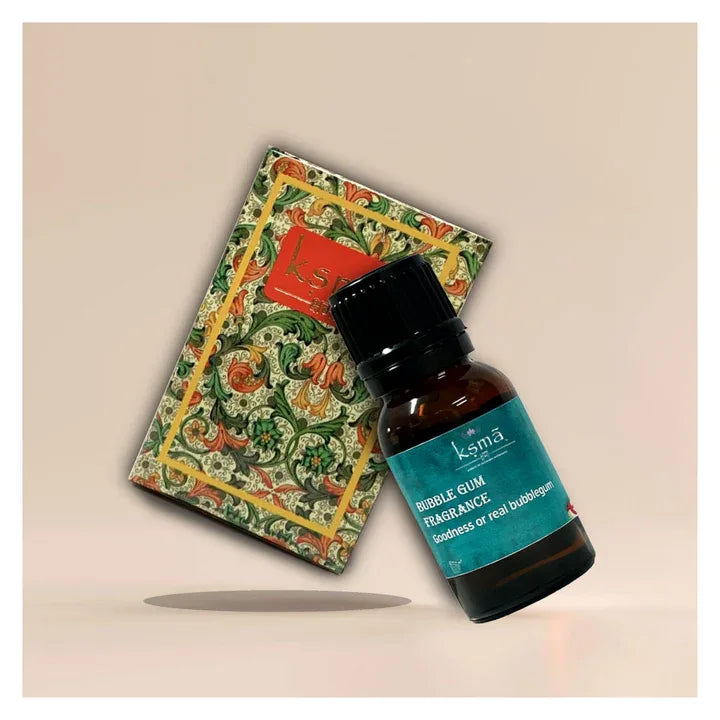






Every exceptional candle fragrance is built from a carefully balanced blend of multiple aromatic ingredients. The art and science of fragrance blending is what separates candle makers who produce good candles from those who create signature products that customers cannot find anywhere else. This guide explains the underlying science, the practical framework, and the blending recipes that professional Indian candle makers use.
The fragrance triangle — also called the perfume pyramid — is the foundational framework of professional perfumery. It categorizes aromatic compounds into three tiers based on their volatility: how quickly they evaporate and when they are perceived during the fragrance's life cycle.
Top notes are the most volatile — they evaporate fastest and are perceived first. They create the immediate impression of a fragrance during cold throw and the opening minutes of a burn. Common top note compounds in candle fragrances include citrus aromatics, light herbs, and fresh florals. Top notes are the first thing a customer smells when they open a candle jar—critical for the retail or gifting experience.
Middle notes (also called "heart notes") form the core character of the fragrance—what remains after the top notes have dissipated. They are perceived from approximately 15–30 minutes into a burn and define the dominant character of the candle. Common middle notes include fuller florals, warm spices, and green aromatic accords. Middle notes are what the candle smells like when actively burning.
Base notes are the least volatile—they evaporate slowly, are perceived last, and persist longest. They provide depth, longevity, and the "drydown" experience—the fragrance that lingers in the room after the candle is extinguished. Common base notes include woody accords, resins, musks, and vanilla-based aromas. Base notes are responsible for the post-burn scent experience that high-quality candles deliver.
For pre-made fragrance oils, which are what most candle makers work with, the supplier should provide fragrance notes in the product description. For KSMA's range, each fragrance oil includes a notes profile. But you can also identify note structure through a practical test.
Apply a small drop of the fragrance oil to a fragrance strip or white paper. Smell immediately for top notes—fresh, bright, volatile impressions. Smell again at 10 minutes for middle notes—the character that emerges as the top notes fade. Smell at 30–60 minutes for base notes—the lingering warmth, resin, or wood that remains when everything volatile has evaporated.
This test reveals the fragrance's structure in a way that the bottle description alone cannot fully communicate.
Wax type profoundly affects how a fragrance oil's notes are perceived during burning. The molecular interaction between fragrance compounds and wax determines which notes are retained, which are enhanced, and which are suppressed during the burn cycle.
In soy wax, the molecular structure tends to mellow and round fragrance profiles—top notes are slightly softened, and the middle and base notes project more evenly. This can make soy wax candles smell "rounder" and more balanced than the same fragrance in paraffin.
In paraffin wax, the higher burn temperature releases top notes more aggressively—giving a stronger initial impact but sometimes causing the base note drydown to be less pronounced. Paraffin hot throw can feel more intense but less nuanced than soy.
In coconut wax, the higher fragrance load capacity amplifies all notes—the blend performs closer to its "true" profile across top, middle, and base notes simultaneously. Coconut wax is considered the most fragrance-transparent wax for this reason.
The classic professional blending ratio for a balanced fragrance is 30% top notes: 50% middle notes: 20% base notes. This ratio ensures a fragrance with immediate appeal (top), sustained character (middle), and lasting depth (base).
In practice, candle makers adjust this ratio based on the desired effect. A fresh, uplifting candle leans toward more top notes—40:45:15. A warm, rich, evening candle leans toward more base notes—20:40:40. A simple, clean single-character candle often concentrates in the middle note zone—15:70:15.
When blending two pre-made fragrance oils, you are effectively combining their individual note profiles. Understanding each oil's dominant note tier allows you to predict and design the blend's character before you commit to a production batch.
1. Lavender + Vanilla (60:40) Top: Lavender's fresh herbal opening. Middle: Lavender florality + vanilla warmth. Base: Vanilla's creamy sweetness anchors the blend. Character: Calming, warm, universally appealing. Best in soy wax at 8%.
2. British Oud + Amber Woods (60:40) Top: Subtle smoky wood impression. Middle: Oud resin + amber warmth. Base: Deep wood and resin drydown lasting hours. Character: Prestigious, complex, deeply Indian-resonant. Best in coconut wax at 10%.
3. French Rose + Vanilla (70:30) Top: Fresh rose top note. Middle: Full rose heart + soft vanilla. Base: Vanilla creaminess. Character: Romantic, feminine, strong gifting appeal. Best in soy wax at 8%.
4. Lavender + British Oud (50:50) Top: Lavender freshness with faint smoke. Middle: Floral lavender + oud resin. Base: Deep woody oud. Character: Spa-luxury hybrid, sophisticated and unusual. Best in coconut wax at 9%.
5. Coffee + Vanilla (65:35) Top: Fresh roasted coffee. Middle: Coffee + sweet vanilla warmth. Base: Vanilla caramel depth. Character: Cosy, gourmand, café-inspired. Best in soy wax at 8%.
Never scale a new blend directly to a full production batch. The standard professional testing protocol involves three stages.
Stage 1 — Cold throw test: Mix the fragrance blend at your intended ratio and pour 50g of test wax. Assess the cold throw after 24 hours and again at 72 hours for comparison. Note whether the individual components remain distinct or merge harmoniously.
Stage 2—Hot throw test: Burn the test candle in a controlled environment—same room, same ventilation, same duration. Evaluate throw intensity, character, and room fill against your benchmark candle.
Stage 3 — Stability test: Store the remaining test candle for two weeks at room temperature. Check for fragrance bleed, surface sweating, or color change—signs of incompatibility between fragrance and wax at the chosen ratio.
Only after all three stages confirm satisfactory results should you commit to full production quantities.
Mix your chosen fragrance oils at your target ratio before adding them to wax—blending the oils separately first ensures even distribution. Add the combined blend to wax at 60–65°C, stir thoroughly for 2 minutes, and proceed with your normal pour process.
Top notes are the first, most volatile impressions — fresh, bright, and short-lived. Middle notes form the core character, perceived during burning. Base notes are the deep, lasting elements—woods, resins, and musks—that define the post-burn experience. Together, these notes create a fragrance that unfolds gradually, revealing different layers over time.
Yes—blending fragrance oils is standard professional practice. Start with small test batches at 50:50 and adjust based on cold and hot throw evaluation. Document every ratio for production consistency.
6–10% by weight for soy wax, 10–12% for coconut wax, and 6–9% for paraffin. When blending two fragrance oils, the combined total should stay within your wax's maximum recommended load.
The most common causes are insufficient fragrance load (below 7%), fragrance added at too-high a temperature, burning off volatile compounds, insufficient cure time before testing, or an undersized wick creating too small a melt pool for effective fragrance release. Check each variable systematically before reformulating.
Explore KSMA's Full Fragrance Collection — 20+ Scents for Blending High flashpoint · Soy & coconut wax compatible · From ₹94 · Free shipping ₹999+




Fill the form and get latest updates & offers.