Cart
0
You may also like






Choosing the right wax is one of the first — and most important — decisions any candle business will make. It affects burn time, fragrance throw, cost, finish, and ultimately, how customers experience the final product. Yet with soy wax, paraffin wax, and beeswax all widely used across the industry, many new candle makers and growing brands find themselves unsure which one actually fits their business model.
There's no single "correct" answer here — the right wax depends on your price point, target customer, and the kind of candle experience you're trying to create. At KSMA, we work with candle makers and brands across this entire spectrum, supplying wax, fragrance oils, and finishing materials at scale. In this blog, we break down how soy wax, paraffin wax, and beeswax compare, so you can make a more informed choice for your business.
Soy wax is derived from soybean oil and has become one of the most widely used waxes among contemporary candle brands, particularly in the jar candle segment.
Advantages:
Burns at a lower temperature, generally resulting in a longer burn time compared to paraffin
Holds fragrance oils well, offering good scent throw once cured properly
Produces less soot during burning, keeping jars and surfaces cleaner
Popular with brands positioning themselves around eco-conscious or lifestyle-driven branding
Considerations:
Typically costs more than paraffin wax
Can be more sensitive to temperature during production, requiring careful handling for a smooth, even finish
Works best in container candles rather than freestanding pillar shapes
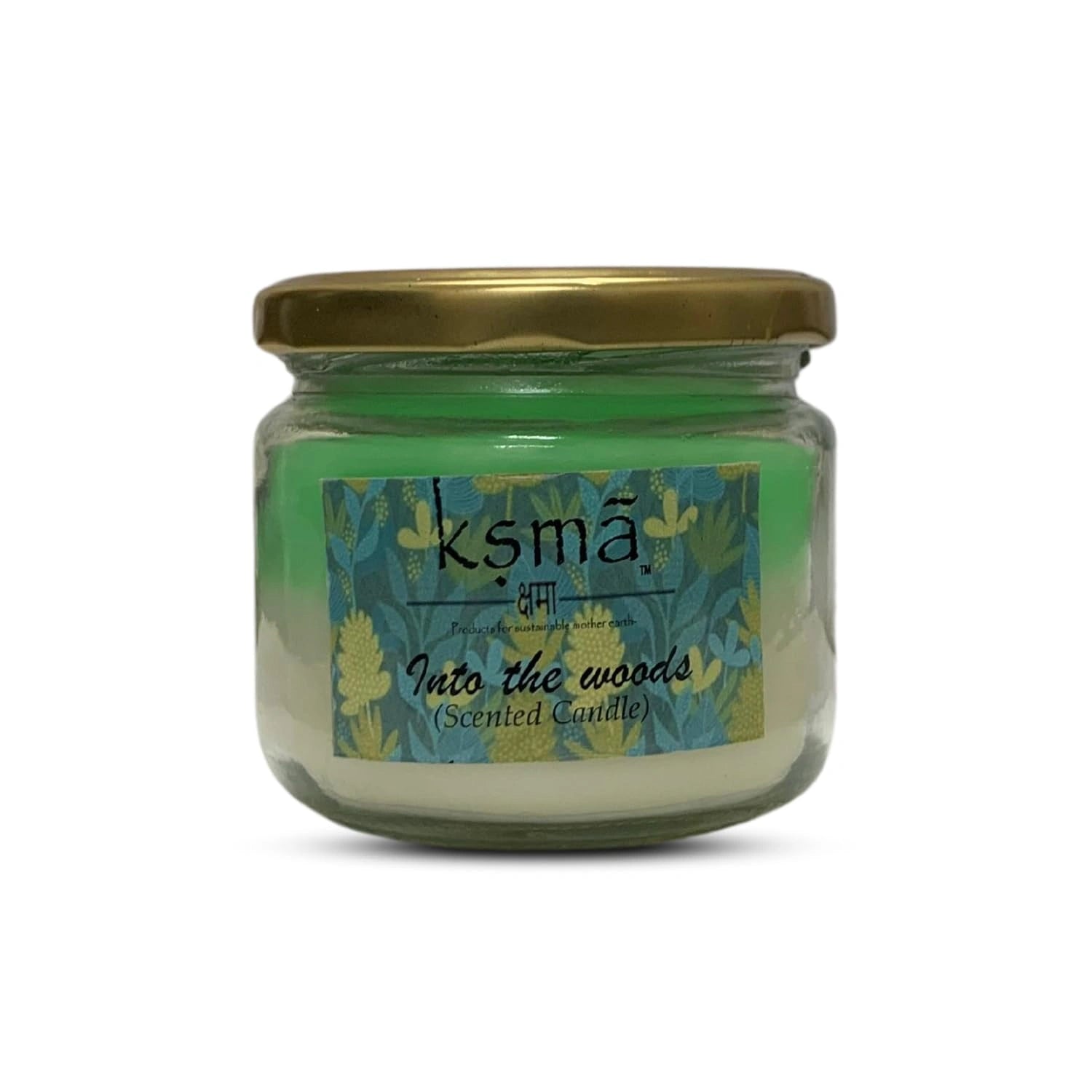
Best suited for: Brands targeting the premium and mid-to-premium market, particularly jar candles, gifting collections, and décor-focused product lines.
Paraffin wax, a petroleum byproduct, has long been the industry standard for candle manufacturing due to its versatility and affordability.
Advantages:
More affordable than soy wax and beeswax, making it attractive for high-volume production
Holds shape well, making it ideal for pillar candles, tapers, and molded designs
Offers strong, consistent fragrance throw
Widely available and well understood across manufacturing processes
Considerations:
Tends to produce more soot compared to soy wax
Lower melting point flexibility for certain candle formats
Increasingly, some consumers associate paraffin with a less premium perception compared to plant-based waxes
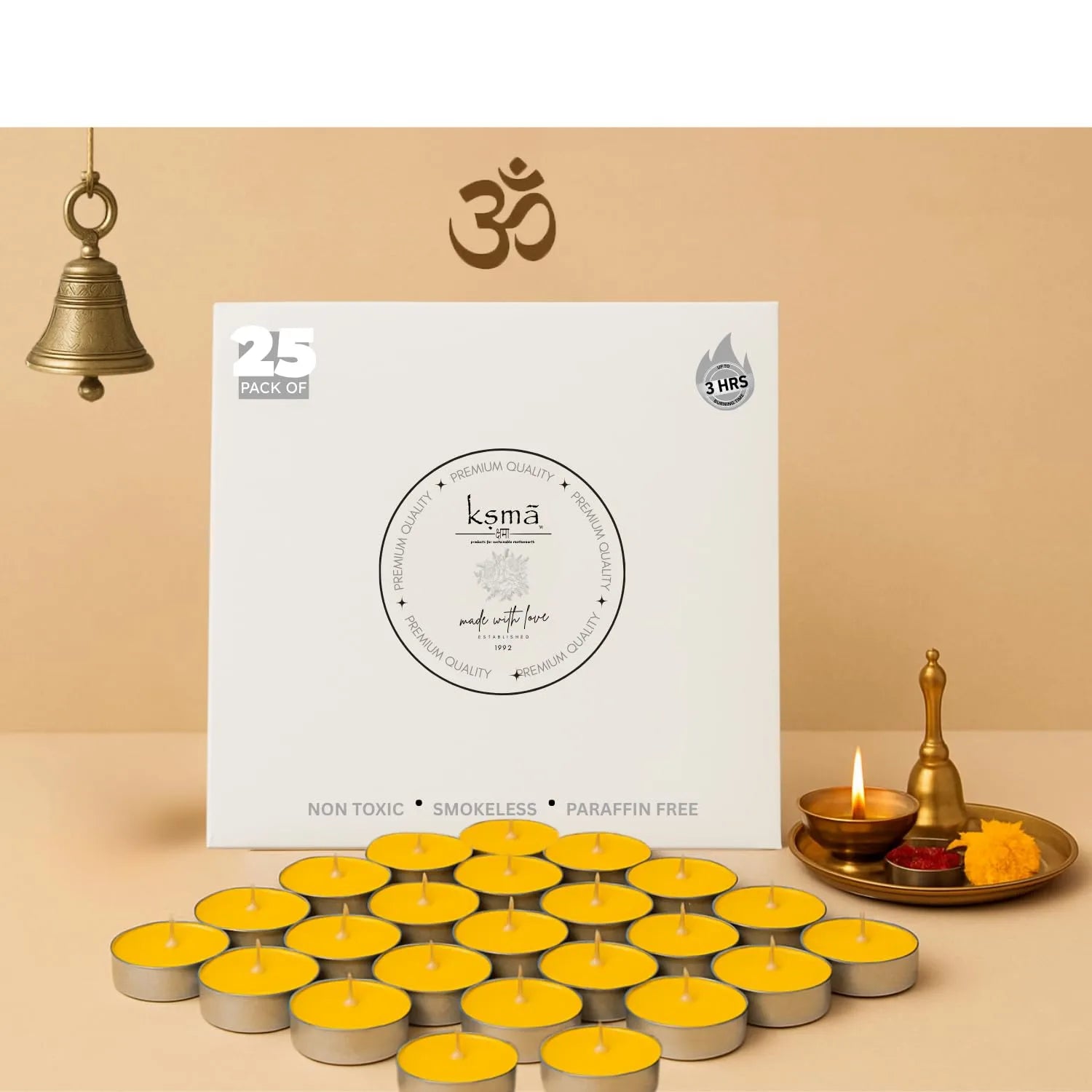
Best suited for: Businesses focused on volume production, cost efficiency, and formats like pillar candles, tealights, and votives where shape retention matters.
Beeswax is one of the oldest candle-making materials, produced by honeybees and known for its distinct golden color and honey-like aroma.
Advantages:
Longer burn time compared to both soy and paraffin wax
Distinct, warm aroma that can complement or stand alone without added fragrance
Strong association with heritage, craftsmanship, and premium positioning
Naturally golden color that appeals to certain aesthetic and traditional candle styles
Considerations:
The most expensive of the three wax types, which impacts retail pricing
Limited availability at scale compared to soy or paraffin
Its distinct aroma can limit fragrance layering options for brands wanting specific scent profiles
Best suited for: Premium and luxury candle lines, heritage-positioned brands, and businesses targeting customers willing to pay more for craftsmanship and tradition.
|
Factor |
Soy Wax |
Paraffin Wax |
Beeswax |
|
Cost |
Mid-range |
Most affordable |
Most expensive |
|
Burn Time |
Long |
Moderate |
Longest |
|
Fragrance Throw |
Good |
Strong |
Limited (own aroma) |
|
Best Format |
Jar candles |
Pillars, votives |
Premium/heritage candles |
|
Brand Positioning |
Premium/lifestyle |
Value/volume |
Luxury/traditional |
A budget-friendly brand focused on festive tealights and daily-use candles would likely lean toward paraffin wax, given its cost-efficiency, shape retention, and reliable performance at scale. A D2C jar candle brand building a lifestyle identity around home décor and self-care, on the other hand, is more likely to choose soy wax, since it aligns with the aesthetic and fragrance-forward positioning that segment demands. Meanwhile, a heritage or gifting-focused brand aiming at the premium end of the market might turn to beeswax, leaning into its traditional appeal and distinctive burn characteristics to justify a higher price point.
Many established candle manufacturers, including KSMA, work across all three wax types, allowing brands to test formulations and choose the material that best fits their specific product line rather than committing to just one option across their entire catalog.
Wax selection isn't just a product decision — it has real implications for production. Soy wax often requires more controlled melting and cooling processes to avoid frosting or uneven surfaces. Paraffin is generally easier to work with at scale due to its predictable behavior. Beeswax requires careful sourcing given its higher cost and more limited supply chain.
For brands looking to scale confidently, partnering with an experienced candle manufacturer in India can simplify this process considerably — bringing the technical know-how to work with different wax types consistently at volume. And for brands eyeing growth beyond domestic markets, working with a reliable candle exporter in India ensures that wax selection, quality, and finished product standards align with what international buyers expect.
Paraffin wax is generally the most affordable option, making it a common starting point for businesses focused on volume and lower price points.
Beeswax typically offers the longest burn time among the three, followed closely by soy wax, while paraffin generally burns somewhat faster.
Yes, wax blends — such as soy-paraffin or soy-beeswax combinations — are common in the industry and can help balance cost, burn performance, and fragrance throw based on specific business needs.
Paraffin and soy wax both hold added fragrance oils well, while beeswax's own distinct aroma can limit how much additional fragrance comes through.
Yes. Value-focused customers often respond well to paraffin-based candles, mid-to-premium buyers tend to prefer soy wax, and luxury or heritage-focused customers are often drawn to beeswax positioning.
There's no universally "best" wax — soy, paraffin, and beeswax each serve different business goals, price points, and customer expectations. The right choice comes down to understanding your brand positioning, target market, and production scale.
At KSMA, we support candle makers and brands across this entire spectrum, supplying quality wax options alongside fragrance oils and finishing materials for businesses at every stage. Whether you're building a value-driven product line or a premium, heritage-inspired collection, working with an established candle manufacturer in India and candle exporter in India like KSMA can help you choose and scale the right wax formulation for your business.




Fill the form and get latest updates & offers.